



Buildings are long-term investments. Their performance depends not only on how they are designed, but also on how effectively they are operated and maintained over time. Changing occupancy patterns, rising energy costs, evolving technology and increasing sustainability expectations are creating new demands for building owners and facilities managers. A building that performs well today may require a different approach as its operational needs change.
This is where integrated facilities management and adaptive cooling can work together. By connecting building operations with more efficient cooling energy management, organisations can respond more effectively to changing conditions while improving energy performance, occupant comfort and asset management. The objective is not simply to operate a building more efficiently today, but to create an asset that can adapt to future requirements.
What Is Integrated Facilities Management?
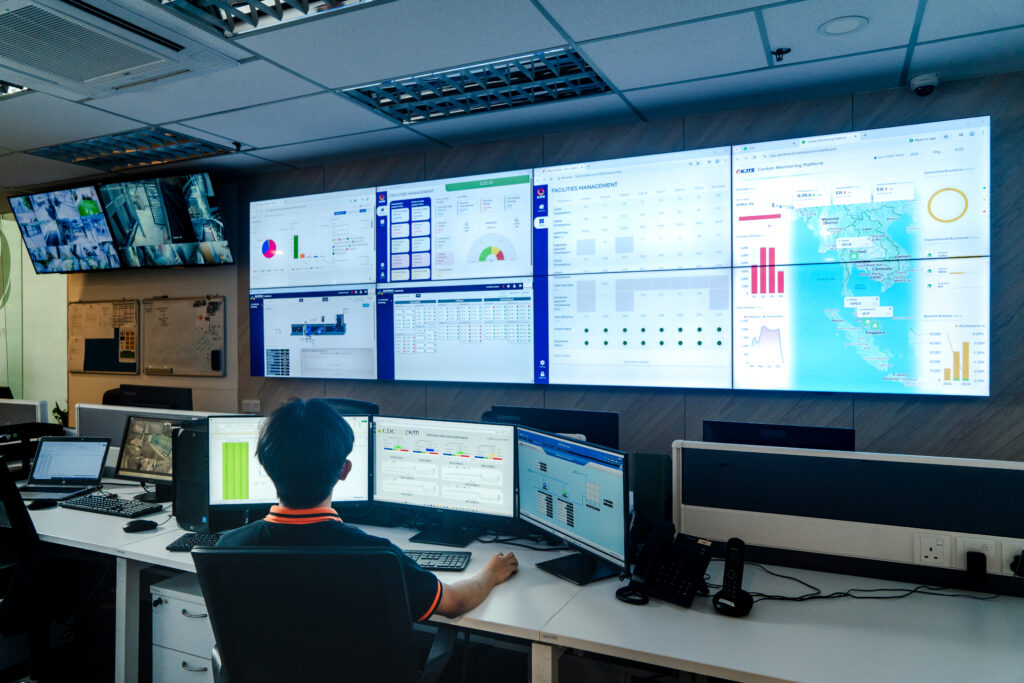
Integrated facilities management brings different building support services together under a coordinated management approach. Instead of managing maintenance, engineering, cleaning, energy management and other services separately, an integrated model provides greater visibility across building operations.
This approach can improve communication between teams and provide a clearer view of overall building performance. Data from different systems can be brought together to support better planning, maintenance and resource allocation. For building owners, this can provide a more consistent approach to managing operational performance throughout the asset lifecycle.
Adapting Cooling to Changing Demand
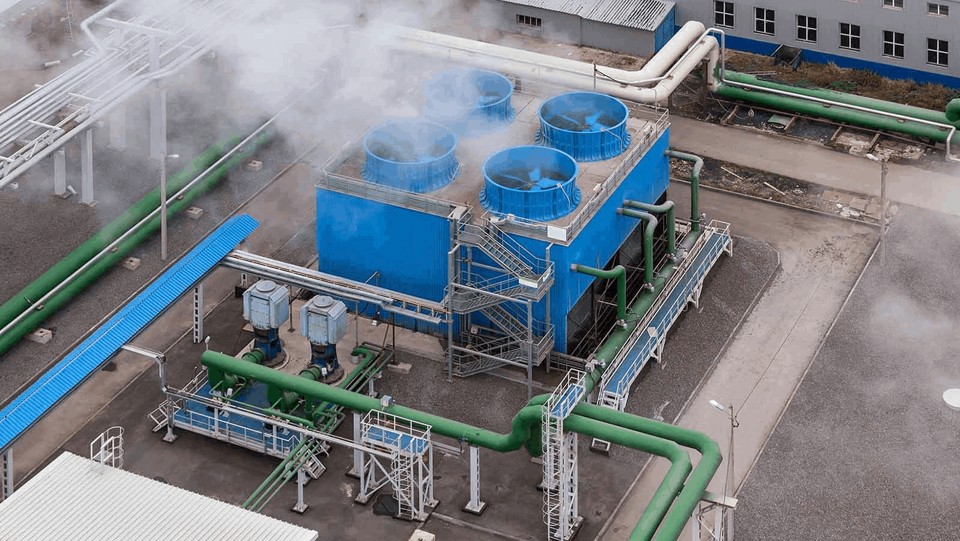
Cooling is one of the major energy-consuming systems in many commercial buildings. However, cooling requirements are rarely constant. Occupancy, weather conditions, operating hours and internal heat loads can change throughout the day.
Adaptive cooling strategies allow cooling systems to respond to these changing conditions. Smart controls, sensors, Building Management Systems and real-time monitoring can be used to adjust cooling output according to actual demand. This helps avoid operating cooling equipment at levels that are higher than necessary while maintaining the required indoor environment.
Where Integrated FM and Cooling Work Together
The real value comes from connecting cooling performance with wider facilities management activities. Facilities teams can use operational data to identify unusual energy consumption, equipment performance issues and changing demand patterns.
For example, cooling data can support maintenance planning by highlighting equipment that is operating outside expected parameters. Facilities managers can then coordinate inspections or servicing before performance deteriorates further. This creates a more proactive approach to managing critical assets and energy consumption.
Improving Efficiency and Asset Value
Energy efficiency is closely linked to how well building systems are operated. Even high-efficiency equipment can perform below its potential if it is poorly maintained or operated without considering actual demand.
Integrated FM provides the operational framework, while adaptive cooling provides the flexibility to respond to changing conditions. Together, they can help improve equipment utilisation, optimise energy consumption and support better lifecycle management. Over time, these improvements can contribute to lower operating costs and better building performance.
Supporting a More Resilient Building
Future ready buildings need to respond to more than energy costs. Climate conditions, business requirements, occupancy patterns and sustainability expectations will continue to evolve. Building systems therefore need to be flexible enough to adapt.
Integrated facilities management combined with adaptive cooling provides a practical approach to this challenge. It brings together people, technology, data and engineering expertise to manage building performance as an integrated system. For building owners and facilities managers, this can support greater operational resilience while helping maintain the long term value of their assets.
Building for the Future
Future-proofing does not necessarily mean replacing every existing system with new technology. It starts with understanding how a building operates and identifying where systems, data and services can work more effectively together.
By integrating facilities management with adaptive cooling strategies, organisations can create buildings that are more responsive, efficient and prepared for changing requirements. As the built environment moves towards smarter and more sustainable operations, this integrated approach will become increasingly important.