





Chiller plants are often among the largest energy consumers in commercial and industrial buildings. They provide essential cooling, but their energy performance can vary significantly depending on operating conditions, equipment efficiency and how the plant is controlled. A chiller plant that operates without proper optimisation may consume more energy than necessary, increasing operating costs over time.
Chiller plant optimisation focuses on improving how the entire cooling system operates rather than looking at individual equipment in isolation. Chillers, pumps, cooling towers and control systems need to work together according to actual cooling demand. With the right combination of engineering expertise, data and maintenance practices, facilities teams can identify inefficiencies and improve overall plant performance.
Understanding Chiller Plant Performance
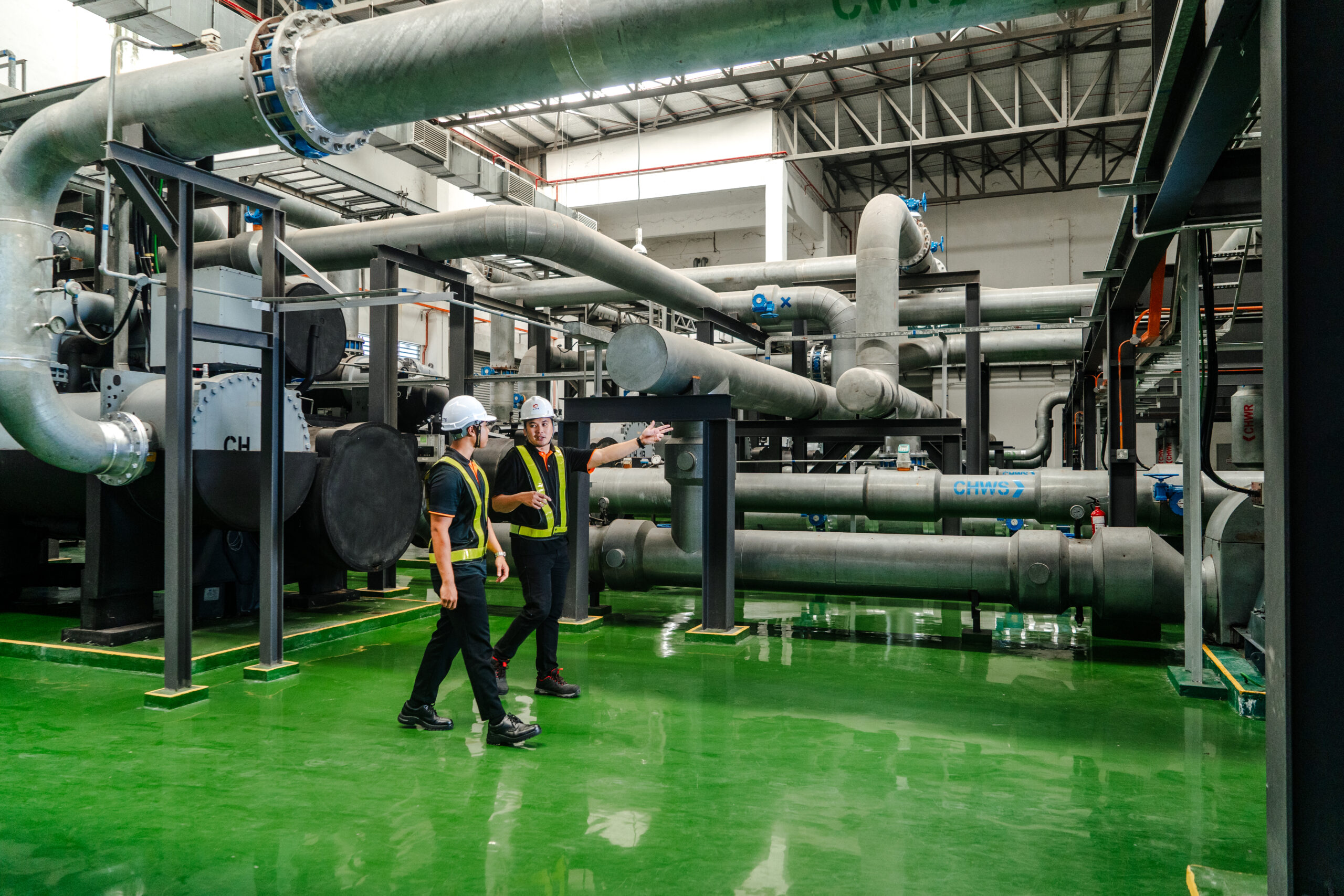
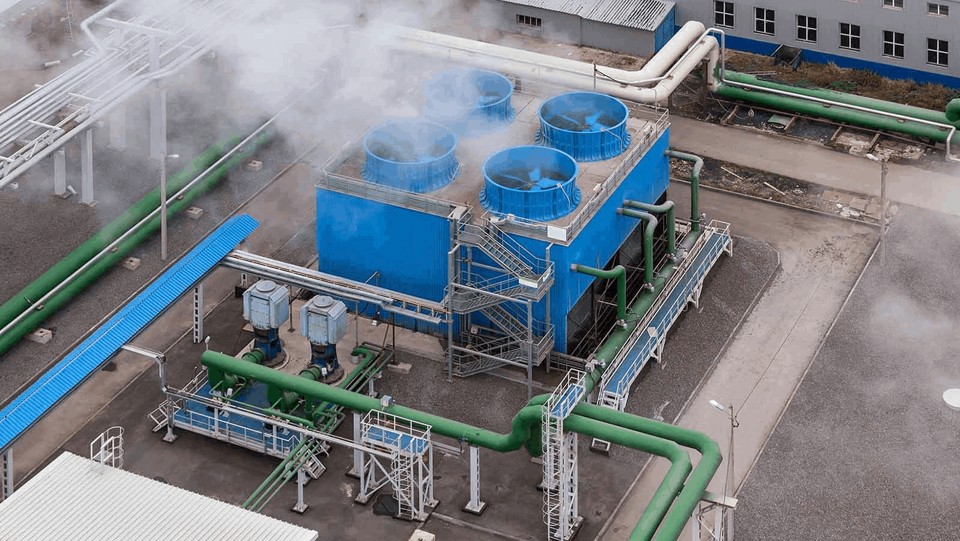
A chiller plant is more than the chiller itself. Its overall efficiency depends on several interconnected components, including chillers, chilled water pumps, condenser water pumps and cooling towers. Changes in one part of the system can affect the performance of the others.
For this reason, optimisation starts with understanding the plant as a complete system. Energy consumption, cooling load, chilled water temperatures, condenser water temperatures and equipment operating conditions can be monitored to establish how the plant is performing under different conditions.
Optimising Control Sequences
Control sequences determine how equipment responds to changing cooling demand. Poorly configured controls can result in equipment operating unnecessarily or multiple chillers running at inefficient loads.
Optimised control sequences allow the plant to respond more closely to actual demand. Chillers can be staged according to load, pumps can be adjusted based on system requirements and cooling tower operation can be coordinated with condenser water conditions. This approach helps the plant operate closer to its most efficient operating range.
Balancing the Cooling Load
Load balancing is another important part of chiller plant optimisation. Running too many chillers at low loads may consume more energy than operating fewer chillers at an appropriate load.
By analysing demand patterns, operators can determine how many chillers should be operating at different periods. This can improve equipment utilisation while maintaining the required cooling capacity. Load balancing can be particularly valuable in facilities where cooling requirements vary significantly throughout the day.
Maintenance Matters
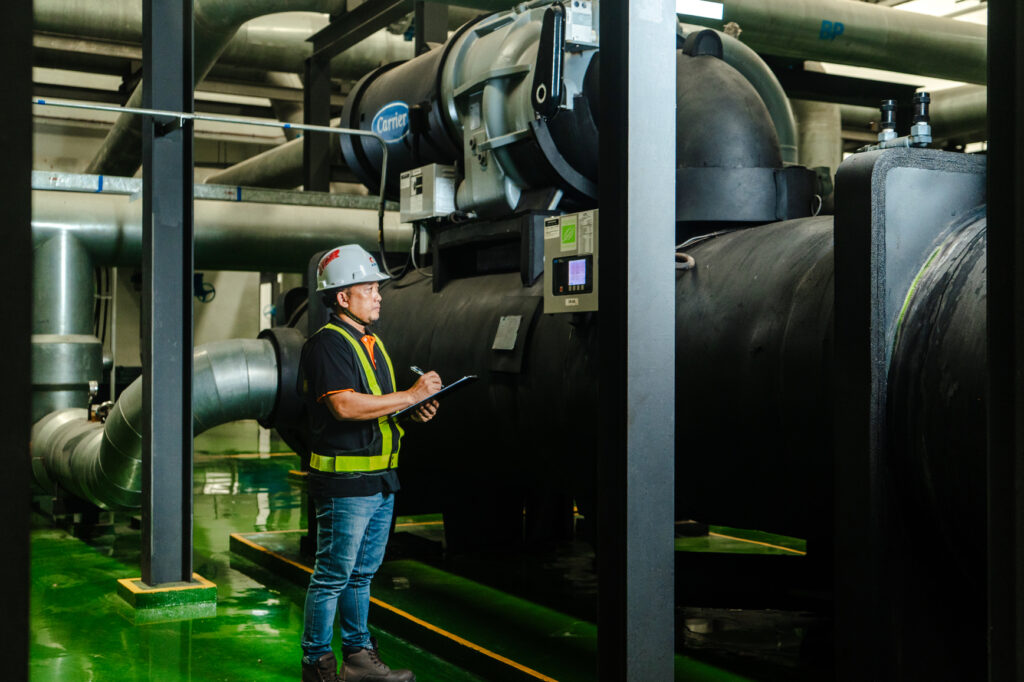
Even a well-designed and optimised chiller plant requires effective maintenance. Dirty heat transfer surfaces, inefficient pumps, blocked filters and deteriorating equipment can all affect system performance.
Regular inspection and maintenance help keep critical equipment operating close to its intended performance. Performance data can also help identify changes that may indicate developing issues. This allows facilities teams to investigate potential problems and plan maintenance based on actual equipment condition.
The Role of Data and Monitoring
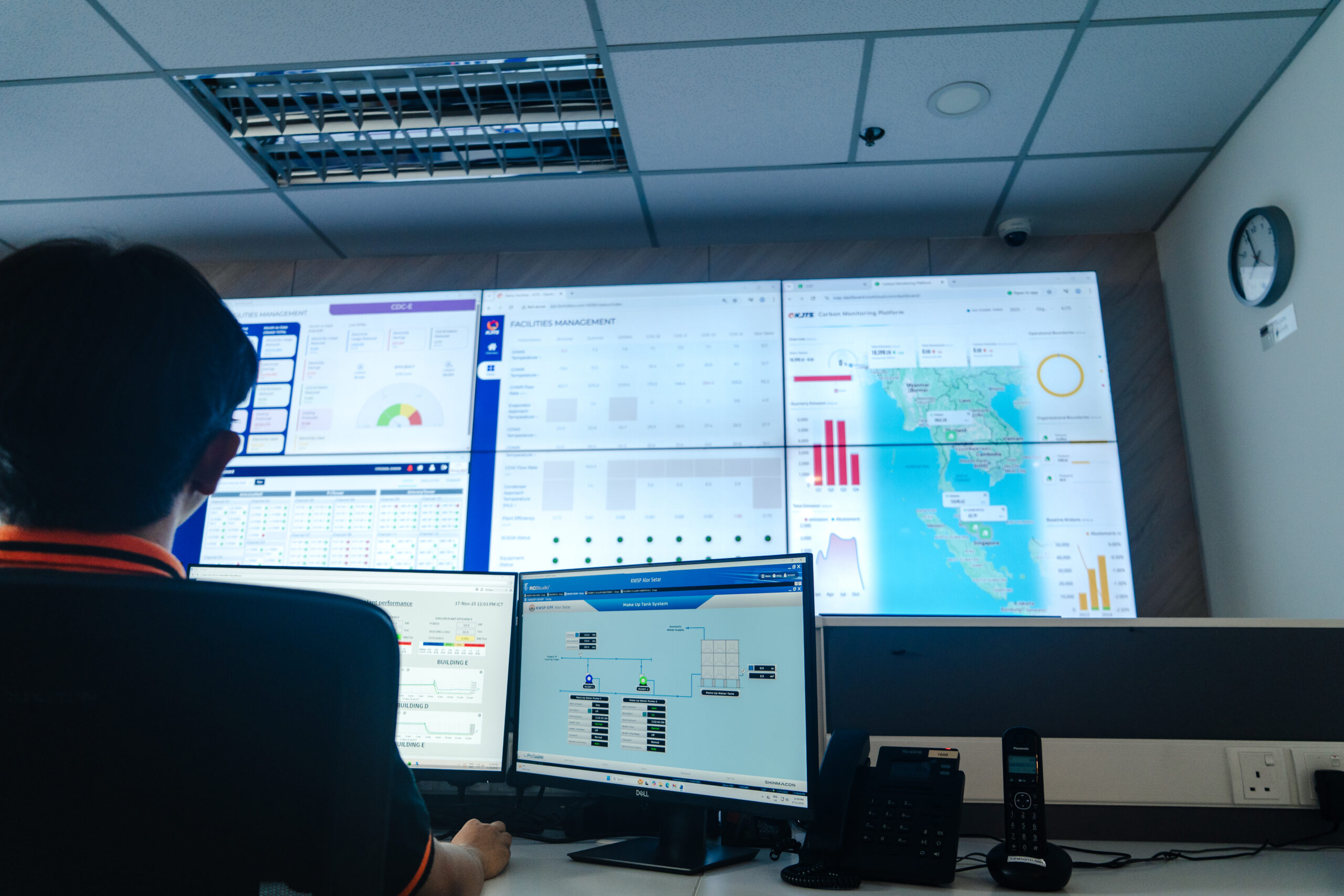
Modern chiller plant optimisation increasingly relies on data. Energy meters, sensors and Building Management Systems can provide detailed information about plant performance in real time.
This data allows facilities teams to track key performance indicators and identify trends that may not be visible through manual inspection alone. Continuous monitoring supports better operational decisions and provides a clearer basis for measuring the impact of optimisation initiatives.
Turning Efficiency into Long-Term Value
Chiller plant optimisation is not simply about reducing energy consumption. It is about improving the performance of the entire cooling system while maintaining reliability and occupant comfort.
A structured approach combining control optimisation, load balancing, monitoring and maintenance can help building owners make better use of their cooling infrastructure. For facilities with significant cooling demand, improving plant efficiency can lower operating costs, improve asset performance, and advance broader energy efficiency and sustainability objectives.