





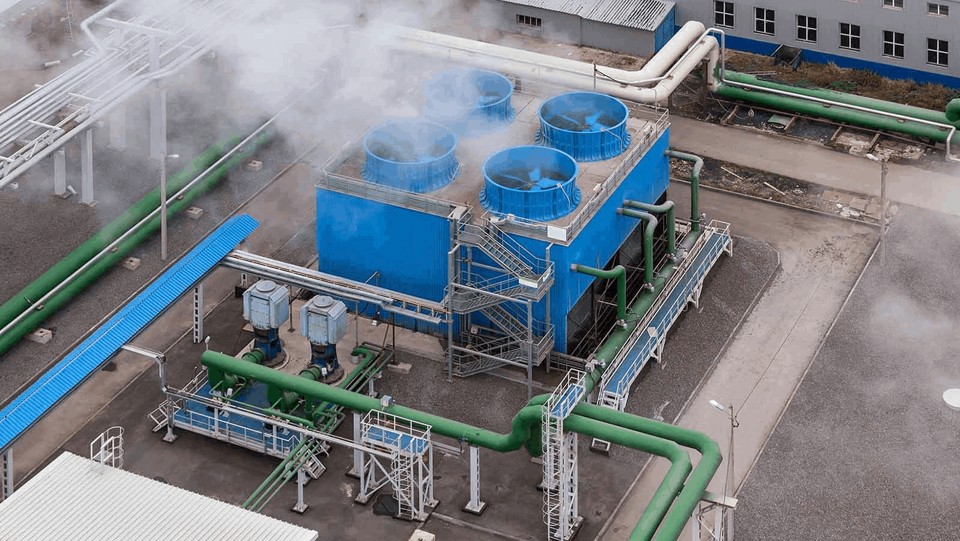
Cooling systems are designed to remove heat from buildings, but much of that rejected heat is simply released into the surrounding environment. At the same time, buildings such as hotels, hospitals, residential developments and commercial facilities require significant amounts of energy to produce hot water. This creates an opportunity to recover heat that would otherwise be wasted and put it to productive use.
Heat recovery systems capture heat generated during the cooling process and redirect it for applications such as domestic hot water, space heating and other thermal requirements. Instead of producing cooling and heating separately, one system can serve both purposes. This can improve overall energy efficiency, reduce energy consumption and make better use of existing cooling infrastructure.
How Heat Recovery Works
A conventional chiller removes heat from a building and rejects it through a condenser. A heat recovery system captures part or all of this rejected heat before it is discharged. The recovered heat can then be transferred to water or another heating medium for use elsewhere in the building.
The process effectively turns a by-product of cooling into a useful energy source. The exact configuration depends on the building’s cooling and heating requirements. Systems can be designed to recover heat continuously or operate when there is sufficient simultaneous demand for cooling and hot water.
Reducing Energy Consumption
One of the main benefits of heat recovery is the reduction in energy required for heating. Conventional hot water systems may rely on electric heaters, boilers or heat pumps. When recovered heat is available from the cooling system, part of this heating requirement can be met without generating heat from a separate energy source.
This can improve the overall efficiency of the cooling plant. Rather than viewing cooling and heating as two separate processes, heat recovery allows both energy flows to be managed together. The result can be lower energy consumption and improved plant performance.
Where Heat Recovery Can Be Used
Heat recovery is particularly useful in buildings with simultaneous cooling and hot water requirements. Hotels may require cooling for guest rooms and common areas while producing hot water for showers and kitchens. Hospitals, residential developments and commercial buildings can have similar demand profiles.
It can also be considered for industrial and process applications where waste heat has a useful end application. The greater the overlap between cooling demand and heating demand, the greater the potential value of heat recovery.
Supporting Sustainability Goals
Recovering heat can contribute to an organisation’s wider energy efficiency and sustainability strategy. Using energy that would otherwise be rejected can reduce reliance on additional energy sources and help lower associated carbon emissions.
For organisations working towards ESG and carbon reduction targets, heat recovery can form part of a broader approach to improving building performance. It can complement other measures such as high-efficiency chillers, district cooling, smart building controls and energy monitoring.
Making Better Use of Existing Energy
Heat recovery demonstrates an important principle in modern energy management. Energy efficiency is not only about using less energy. It is also about making better use of the energy already being generated.
By capturing rejected heat from cooling systems and putting it to practical use, buildings can reduce waste and improve the utilisation of their energy infrastructure. As organisations place greater emphasis on efficiency, operating costs and sustainability, heat recovery systems are becoming an increasingly valuable solution for more integrated energy management.