



Energy consumption is one of the largest operating expenses for many businesses. Commercial buildings, manufacturing facilities, data centres, retail spaces, and industrial plants rely heavily on electricity to support daily operations. Rising energy prices have made cost management even more important.
Reducing energy costs is no longer just an environmental initiative. It is a business strategy that improves profitability, strengthens operational efficiency, and supports long-term sustainability goals.
Many organisations focus on reducing overheads through labour optimisation or procurement strategies while overlooking one of the most controllable expenses in their operations. Energy.
The good news is that businesses can achieve measurable savings through practical and targeted improvements. Here are four direct measures that can help reduce energy consumption and lower operating costs.
1. Upgrade and Optimise Cooling Systems
Cooling systems are often the largest energy consumers in commercial buildings, accounting for a significant percentage of total electricity usage.
Many businesses continue to operate ageing chillers, inefficient air conditioning systems, or poorly maintained equipment that consumes more energy than necessary.
Several improvements can immediately reduce cooling energy consumption, including:
- Upgrading to high-efficiency chillers
- Optimising chiller plant operations
- Installing variable speed drives
- Improving cooling tower performance
- Adjusting temperature set points
- Performing regular maintenance
Businesses with large cooling demands may also benefit from district cooling systems or Cooling as a Service solutions that deliver more efficient cooling through centralised infrastructure.
Improving cooling system efficiency can generate substantial energy savings while maintaining occupant comfort and operational reliability.
2. Implement Smart Energy Monitoring Systems
You cannot manage what you cannot measure.
Many organisations rely solely on monthly utility bills to track energy consumption. Unfortunately, utility bills only show the final cost and do not identify where energy is being wasted.
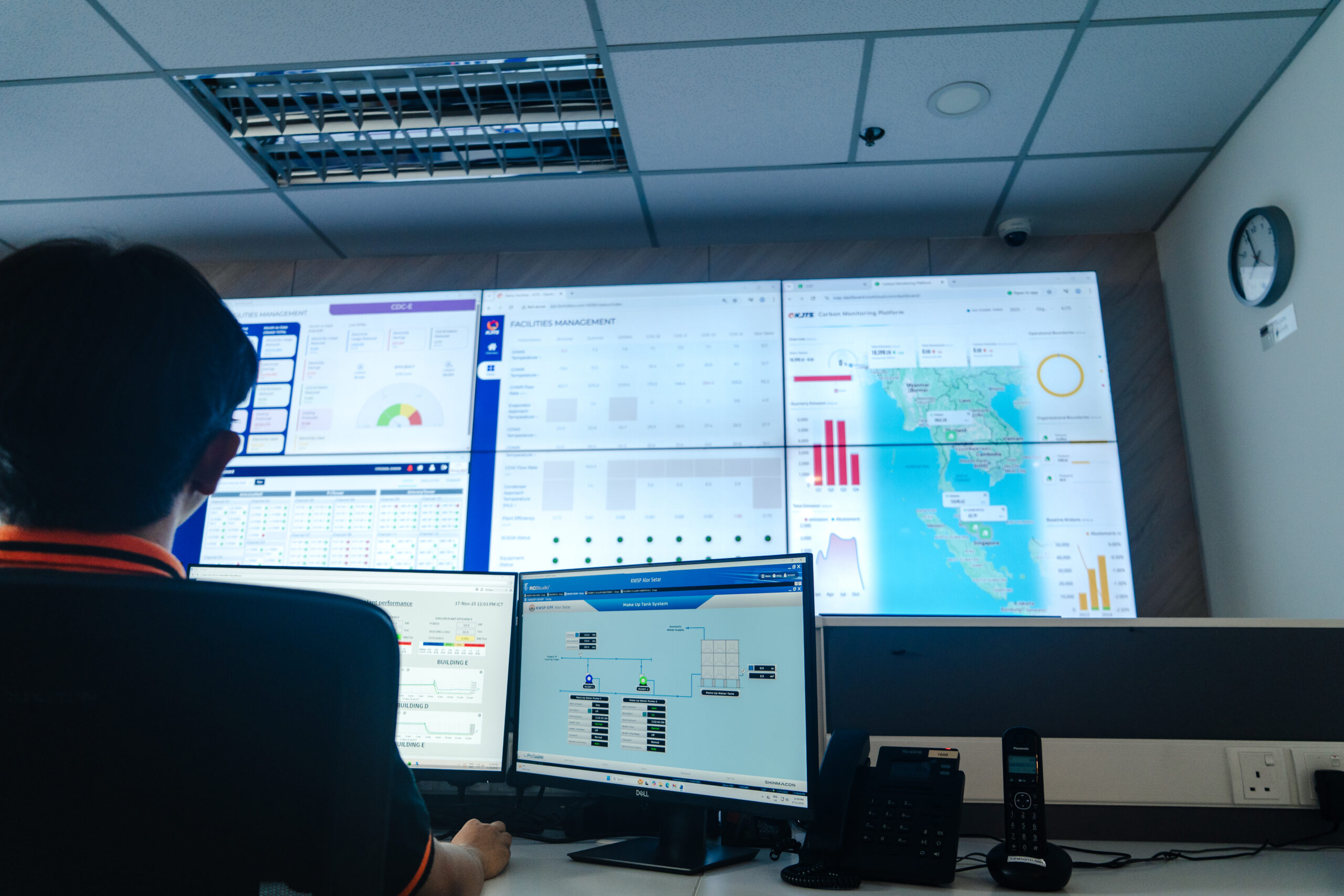
Smart energy monitoring systems provide real-time visibility into building performance.
Advanced energy management platforms can monitor:
- Electricity consumption
- Equipment operating hours
- Chiller performance
- Occupancy patterns
- Peak demand periods
- Equipment efficiency
Real-time monitoring allows facility managers to identify abnormal energy usage and take corrective action before costs increase.
Building Management Systems and Internet of Things technology also provide valuable insights that support data-driven decision-making and continuous optimisation.
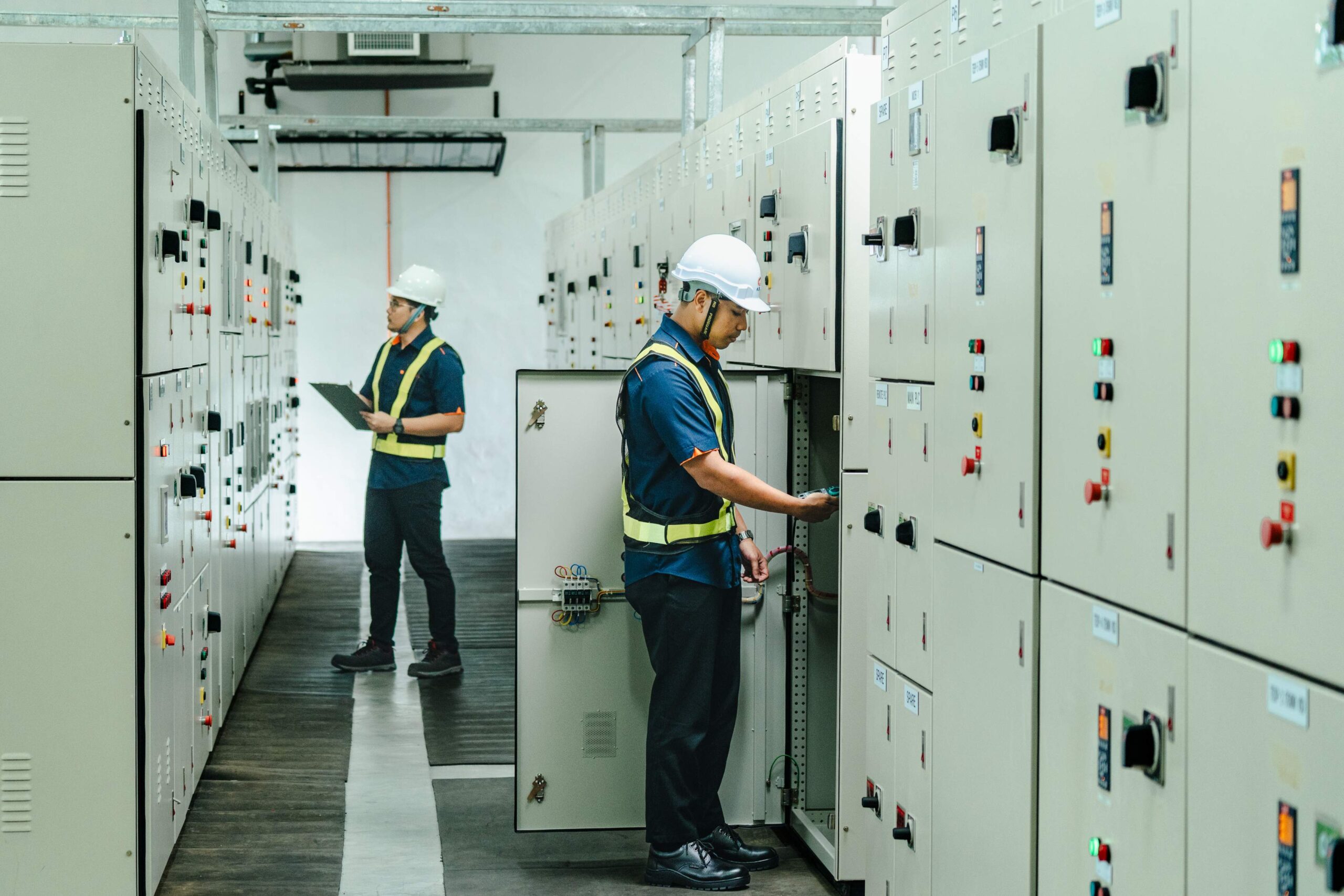
3. Improve Preventive Maintenance Practices
Deferred maintenance often leads to higher energy consumption.
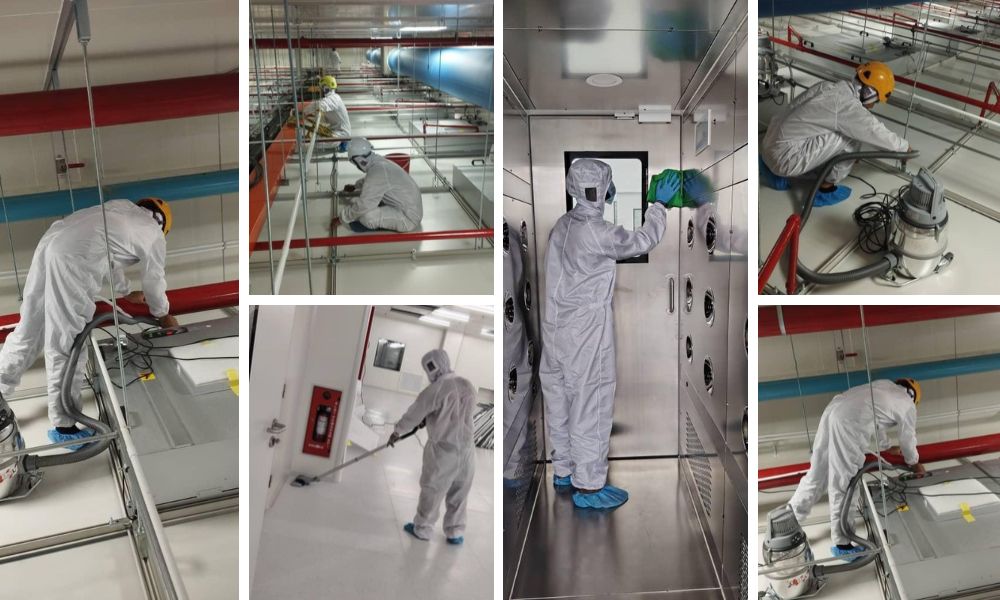
Dirty air filters, blocked cooling coils, leaking pipes, worn motors, and poorly calibrated equipment force building systems to work harder to maintain the same level of performance.
Preventive maintenance helps keep equipment operating at peak efficiency.
An effective maintenance programme should include:
- Regular equipment inspections
- Filter replacement
- Motor servicing
- System calibration
- Leak detection
- Equipment performance testing
Preventive maintenance not only reduces energy consumption but also extends asset life and minimises unexpected downtime.
A well-maintained system typically operates more efficiently than equipment that only receives attention after a failure occurs.
4. Partner With an Integrated Facilities Management Provider
Managing energy efficiency requires coordination between engineering, maintenance, operations, and building management teams.
An integrated facilities management provider brings these functions together under a single operating model.
This approach allows businesses to:
- Standardise maintenance procedures
- Improve asset management
- Optimise resource allocation
- Implement energy efficiency initiatives across multiple sites
- Monitor performance through centralised reporting
An experienced facilities management provider also brings specialised engineering expertise to identify energy-saving opportunities that may otherwise go unnoticed.
Integrated facilities management creates better visibility across building operations while helping organisations achieve greater cost control.
Conclusion
Reducing energy costs does not always require major capital investment.
Businesses can achieve immediate and measurable savings by optimising cooling systems, implementing smart monitoring technologies, strengthening preventive maintenance programmes, and adopting integrated facilities management strategies.
Energy efficiency should be viewed as an ongoing process rather than a one-time project.
Organisations that continuously monitor and optimise energy consumption are better positioned to reduce operating costs, improve asset performance, and strengthen their long-term competitiveness.