



As sustainability expectations continue to rise and operational pressures grow, 2026 is set to be a turning point for facilities leaders. Organisations are no longer treating facilities management and cooling systems as separate functions. Instead, many are moving towards integrated solutions that support energy efficiency, reduce environmental impact and deliver long term cost savings.
At KJTS, we see this shift happening across industries. When facilities management and cooling strategies are planned and managed together, businesses gain stronger control over performance, sustainability and operational resilience.
Below are the five key facilities management and cooling trends shaping 2026, and why an integrated approach plays such an important role.
1. Integrated FM and Cooling Becomes the ESG Norm
In 2026, ESG commitments are closely tied to day-to-day operational performance. Stakeholders expect real progress supported by data and measurable outcomes.
Managing facilities and cooling in silos often leads to inefficiencies and missed opportunities. An integrated approach allows organisations to gain better oversight of energy use, emissions and asset performance across their sites.
By combining facilities management with cooling expertise, companies can strengthen ESG reporting, improve environmental performance and ensure sustainability goals are consistently supported by operational decisions.
2. Energy Efficiency Is Actively Managed, Not Just Planned
Energy remains one of the highest operating costs for most facilities. In 2026, the focus is no longer on setting annual targets alone, but on continuous monitoring and improvement.
Smart systems now enable organisations to monitor energy consumption in real time, identify inefficiencies early and optimise cooling demand based on occupancy and operational needs. Predictive maintenance also helps reduce energy loss caused by ageing or underperforming equipment.
When facilities management and cooling teams work together, energy efficiency becomes part of daily operations rather than a future objective.
3. Hybrid and High-Efficiency Cooling Takes Centre Stage
Rising temperatures and growing cooling demand are pushing organisations to rethink traditional cooling approaches. In 2026, more facilities are adopting hybrid and high-efficiency cooling solutions that balance performance, flexibility and sustainability.
These solutions often combine multiple technologies to adapt to changing conditions while minimising energy consumption. With integrated facilities management, cooling systems are maintained and optimised as part of an overall sustainability strategy, not treated as isolated infrastructure.
4. Digital FM Platforms Enable Better Decisions
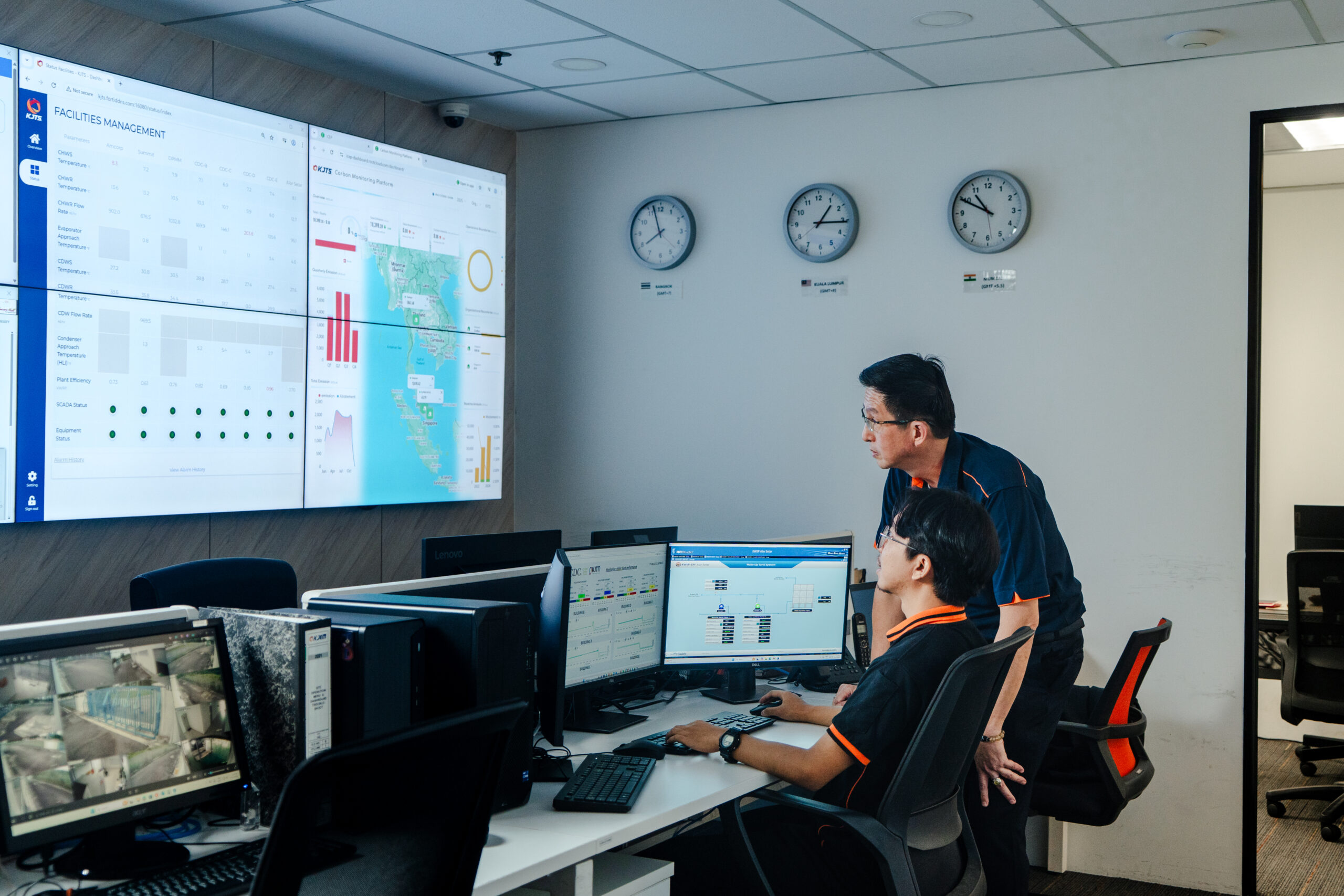
Digitalisation continues to transform how facilities are managed. Organisations are increasingly adopting integrated digital platforms that consolidate data from buildings, cooling systems and utilities.
This level of transparency allows facilities teams to monitor performance, identify trends and support ESG reporting with greater accuracy. It also enables faster, more informed decision-making, reducing downtime and unnecessary costs.
An integrated FM and cooling approach ensures data is consistent, connected and actionable across the organisation.
5. Sustainability and Cost Efficiency Go Hand in Hand
One of the most important trends for 2026 is the growing recognition that sustainable facilities are also more cost-effective. Reducing energy use, improving maintenance planning and extending asset lifecycles all contribute to lower operational costs.
By integrating facilities management and cooling solutions, organisations can reduce waste, avoid unplanned repairs and manage capital investments more strategically. Sustainability is no longer viewed as an added expense, but as a key driver of long term financial performance.
Looking Ahead to 2026 and Beyond
The future of facilities management lies in integration, data-driven decision making and sustainability focused operations.
KJTS combines facilities management expertise with advanced cooling solutions to help organisations meet ESG goals, improve operational efficiency and reduce costs. By managing the full lifecycle of facilities and cooling systems, KJTS supports clients in creating environments that are efficient, resilient and future-ready.
As organisations prepare for the challenges and opportunities of 2026, integrated FM and cooling solutions will play a central role. Companies that take a holistic approach today will be better positioned to meet regulatory expectations, support sustainability commitments and operate more efficiently in the years ahead.
KJTS is ready to partner with organisations on this journey by delivering integrated solutions that balance performance, sustainability and operational excellence.