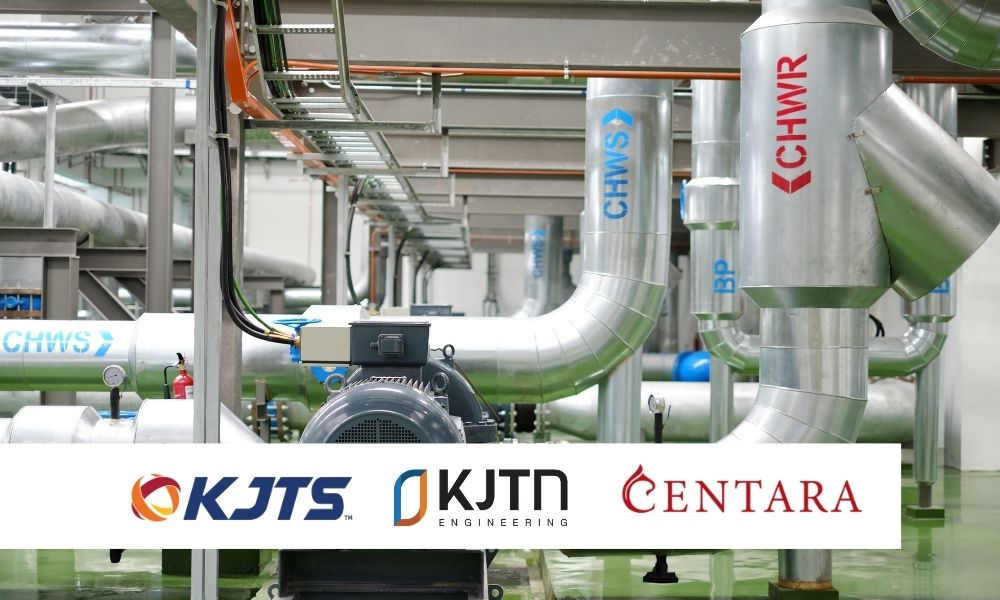







In the ASEAN region, hot and humid climate drives sustained demand for air conditioning across commercial buildings, education facilities, hospitals, airports and mixed-use developments. Cooling can account for 40 to 60 per cent of a commercial building’s total electricity consumption in the tropics. As energy tariffs rise and carbon reporting tightens, building owners are reviewing alternatives that reduce cost, improve efficiency and support ESG targets.
District Cooling Systems, often referred to as DCS or district cooling plant networks, are now established in key urban centres. Malaysia remains one of the more developed district cooling markets in Southeast Asia, with multiple systems in operation serving commercial and government precincts.
Below are the major benefits of District Cooling Systems for businesses, with the addition of Cooling as a Service as a delivery model.
1. Higher Energy Efficiency and Lower Electricity Consumption
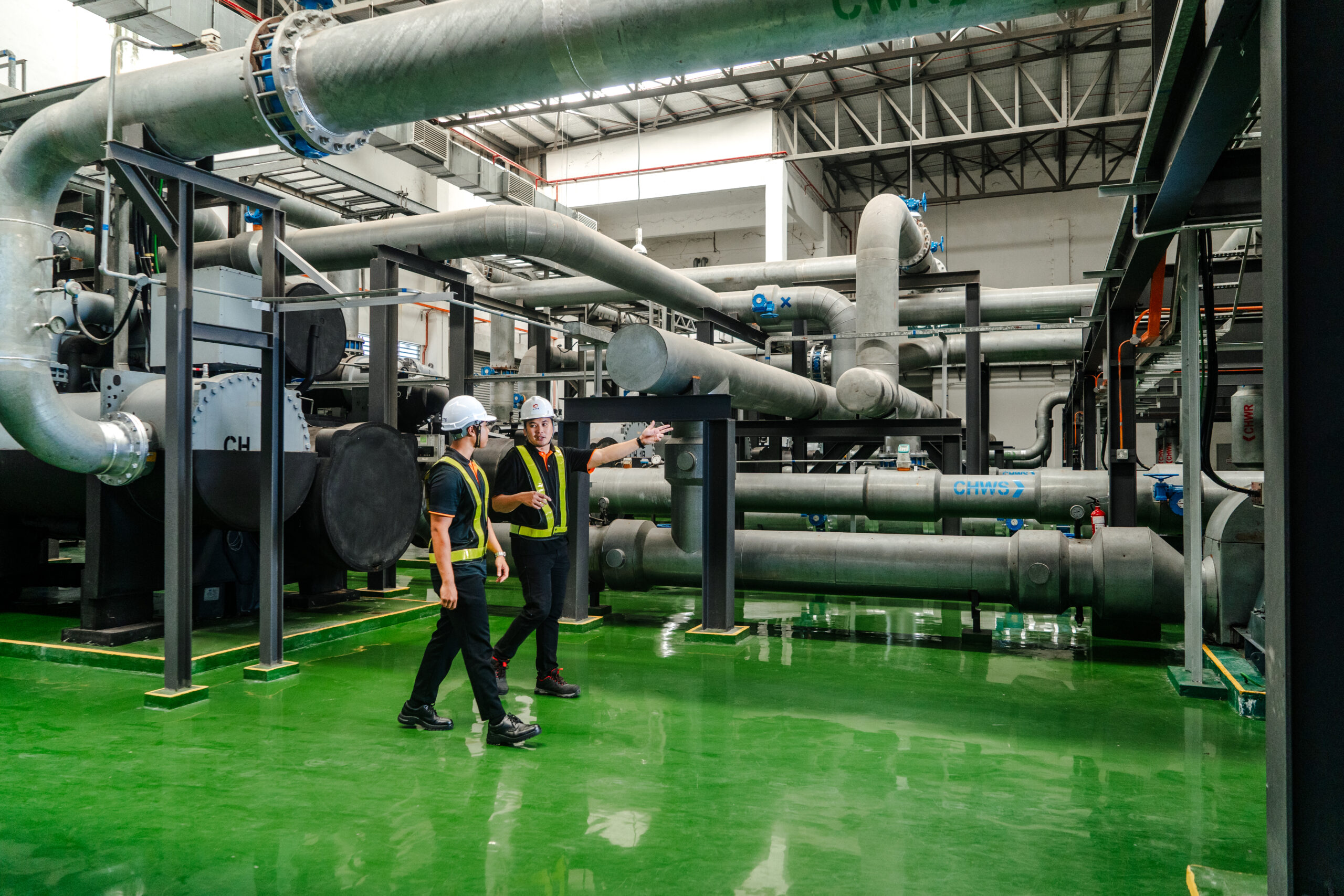
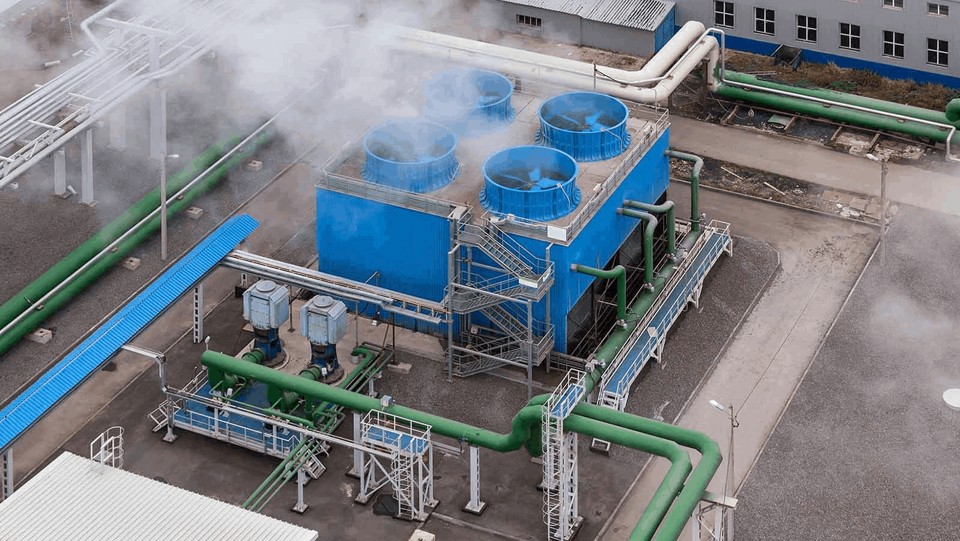
A District Cooling System produces chilled water at a central plant and distributes it through an insulated underground pipe network to connected buildings. Compared to standalone building chillers, a centralised system benefits from economies of scale, load diversity across multiple buildings and optimised plant operation.
Typical energy savings range from 20 to 40 per cent compared to conventional building chiller systems, depending on plant design, heat rejection method and network configuration. Advanced district cooling plants deploy high-efficiency centrifugal chillers, thermal energy storage and digital plant optimisation to reduce peak demand and improve coefficient of performance.
For large commercial developments, integrated cooling infrastructure improves overall HVAC system efficiency and supports green building certifications such as the Green Building Index and LEED.
2. Lower Capital Expenditure Through Cooling as a Service
Cooling as a Service is changing how businesses adopt district cooling. Instead of investing in chillers, cooling towers, pumps and plant rooms, building owners purchase chilled water on a long term contract basis.
Under a Cooling as a Service model
• No upfront capital investment in chiller plant
• No lifecycle replacement cost risk
• No need for in-house chiller maintenance capability
• Predictable operating expenditure based on consumption
This model converts capital expenditure into operating expenditure. It improves balance sheet flexibility and supports asset-light development strategies. For property developers and REITs, Cooling as a Service enhances return on invested capital while maintaining reliable cooling performance.
3. Reduced Carbon Emissions and Support for Net Zero Targets
Air conditioning systems consume significant electricity, which in many grids is still partly generated from fossil fuels. Improving cooling efficiency directly reduces Scope 2 emissions from purchased electricity.
District cooling also centralises refrigerant management. Large-scale plants are typically better monitored and maintained, reducing refrigerant leakage compared to multiple smaller systems distributed across buildings. This lowers the risk of hydrofluorocarbon emissions, which have high global warming potential.
For organisations with science-based targets or net zero roadmaps, district cooling infrastructure provides measurable reductions in energy intensity and carbon emissions per square metre.
4. Improved Space Utilisation and Higher Asset Value
Eliminating on-site chiller plants frees up valuable floor area. Plant rooms, cooling towers and large transformer capacity can be significantly reduced or removed.
In high-value commercial developments, this space can be converted into leasable area, retail units or additional car parks. The uplift in net lettable area improves rental yield and asset valuation.
Developers also benefit from simplified building design. Structural loading, vibration isolation and roof space allocation for cooling towers become less complex when cooling is supplied from an external district plant.
5. High Reliability and Operational Resilience
Well-designed district cooling networks incorporate redundancy at plant and network levels. Standby chillers, dual power supply and looped pipe networks enhance reliability.
For mission-critical facilities such as data centres, hospitals and transport hubs, reliability is non-negotiable. A centralised plant operated by a specialist cooling provider ensures continuous monitoring, preventive maintenance and performance optimisation.
Facilities management teams can focus on core operations instead of managing complex chiller systems. This reduces operational risk and improves service quality for tenants.
6. Scalable Infrastructure for Urban Growth
As urban developments expand, cooling demand increases. District cooling networks are modular and scalable. Additional chillers or plant modules can be added at the central plant without major disruption to connected buildings.
This makes district cooling suitable for integrated townships, financial districts, medical hubs and industrial parks. It supports long-term master planning and phased development strategies.
When combined with Cooling as a Service, developers can align cooling capacity expansion with occupancy rates and actual demand growth.
Conclusion
Rising electricity costs, carbon disclosure requirements and tenant expectations are reshaping how commercial buildings approach cooling infrastructure. District Cooling Systems provide a centralised, energy-efficient and low-carbon alternative to conventional air conditioning.
When delivered through a Cooling as a Service model, district cooling removes capital burden, transfers technical risk to specialist operators and improves financial flexibility. For businesses seeking sustainable cooling solutions, lower operating cost and resilient HVAC infrastructure, district cooling is now a strategic utility rather than just a building service.