



Facility management often operates in a reactive mode. Something breaks, a call is placed, a technician is dispatched, and the problem gets fixed. This cycle feels natural because it responds to visible failures. Yet hidden beneath this routine is a quiet drain on budgets and asset lifespans. Reactive repairs carry a hidden premium that most organizations never calculate. The urgency of a breakdown demands immediate attention, often at premium labor rates. The downtime disrupts operations. The root cause remains unaddressed, so the failure repeats. This is the expensive rhythm of reactive maintenance.
Preventive maintenance offers a different path. It is the disciplined practice of inspecting, cleaning, adjusting, and replacing components before they fail. It lacks the drama of an emergency repair. No one applauds a chiller that keeps running because nothing went wrong. Yet the financial impact of preventive maintenance is undeniable. Equipment lasts longer, operates more efficiently, and fails less often. The organizations that embrace preventive facility management protect their bottom line not by spending more, but by spending smarter.
The Real Cost of Reactive Repairs
Reactive repairs appear simpler on the surface. Pay only when something breaks. No upfront planning, no scheduled downtime, no monitoring expenses. But this simplicity is an illusion. The actual cost of a reactive repair is typically three to five times higher than the same repair performed proactively. Emergency labor rates exceed scheduled service rates. Rush orders for parts add expediting fees. Overtime pay for after-hours work multiplies labour costs. And these are just the direct expenses.
The indirect costs often exceed the direct ones. When an HVAC system fails on a hot afternoon, the building may need to be partially evacuated. Tenants lose productivity. Retail spaces lose customers. Data centre temperatures spike, threatening server operations. Every hour of downtime translates into lost revenue and frustrated occupants. Meanwhile, the maintenance team scrambles, bypassing other scheduled work to address the crisis. The ripple effects spread across the organisation.
Repeated reactive repairs also shorten asset life. Each emergency intervention addresses the symptom, not the cause. A bearing that runs dry because of neglected lubrication fails, is replaced, and then fails again months later because the underlying lubrication issue persists. The equipment suffers cumulative damage from operating under stress. Eventually, a major component fails catastrophically, requiring full replacement years ahead of its expected life. This pattern is common across all facility assets, from pumps and fans to roofs and restroom fixtures.
How Preventive Maintenance Extends Equipment Life
Preventive maintenance works because it addresses the predictable mechanisms of equipment degradation. Every mechanical system has a known failure curve. Early life failures from manufacturing defects give way to a long period of useful life, followed by wear-out failures as components age. Preventive maintenance primarily targets the wear-out phase by slowing the rate of deterioration.
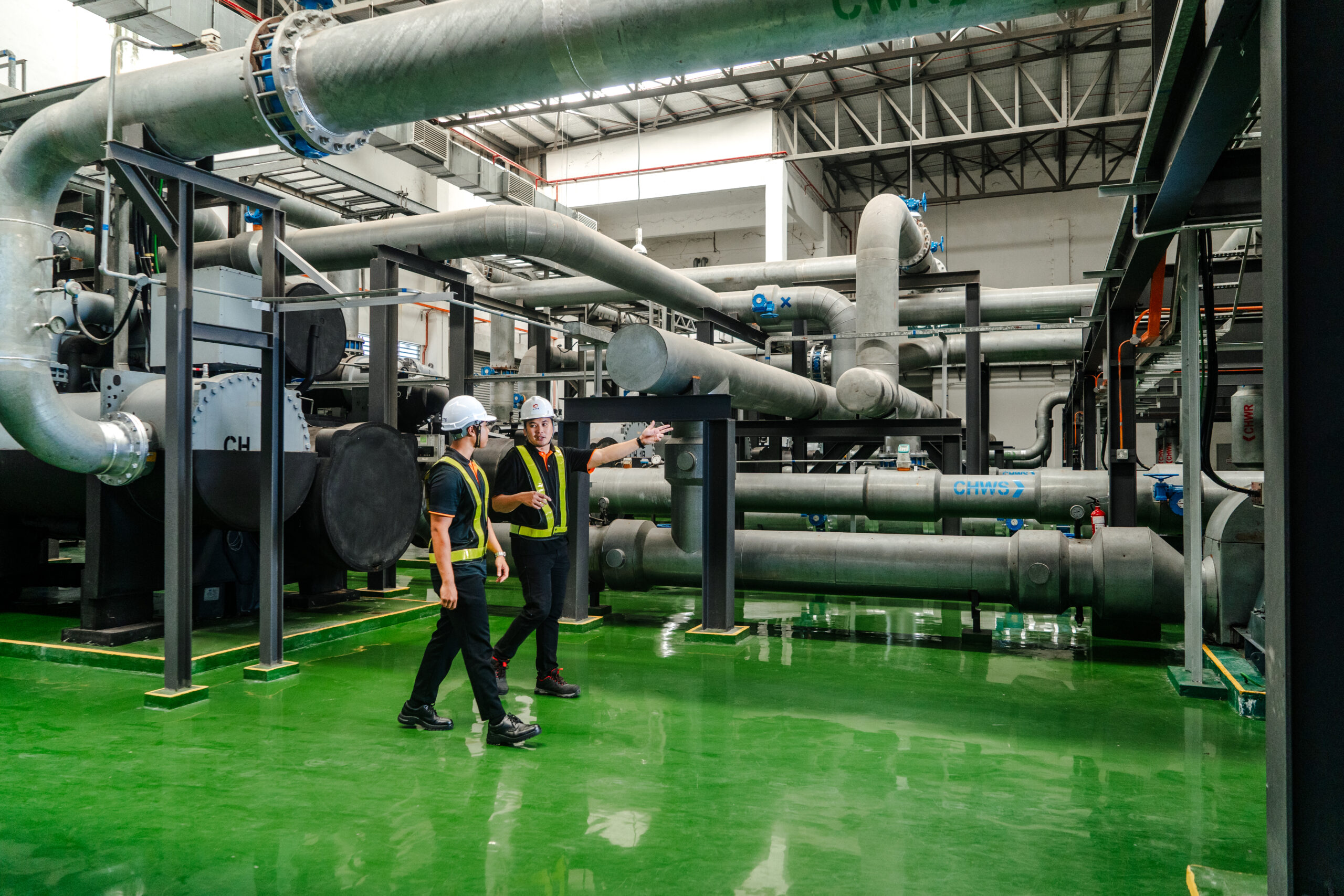
Lubrication is the simplest example. Bearings, gears, and moving parts generate friction. Friction generates heat and wears surfaces. Proper lubrication at appropriate intervals reduces friction dramatically, extending component life by years. A similar principle applies to filters. Clean filters allow airflow, reduce strain on fans, and keep coils free from debris. A chiller with clean coils operates at design efficiency. A chiller with fouled coils works harder, consumes more energy, and fails earlier.
Calibration and adjustment also play essential roles. A door closer that is properly adjusted seals correctly, keeping conditioned air inside and pests outside. A valve that is exercised regularly prevents seizure. A belt that is tensioned correctly transmits power without slipping or stretching. These small actions, performed consistently, keep systems operating within their design parameters. Equipment that runs within spec runs longer.
Data Driven Preventive Facility Management
The evolution of preventive maintenance has moved beyond calendar-based schedules. Changing an air filter every three months, regardless of conditions is better than waiting for failure, but it is not optimal. Some filters clog faster due to construction dust or high occupancy. Others last longer in clean, low-use spaces. Wasting clean filters or running dirty ones for too long both represent inefficiencies.
Modern preventive facility management uses data to optimise maintenance intervals. Sensors monitor equipment runtime, vibration, temperature, and energy consumption. This data reveals the actual condition of assets, not just the passage of time. A bearing that begins vibrating at a higher frequency signals the need for lubrication or replacement before failure. A motor that draws increasing current indicates rising resistance somewhere in the system. These early warnings allow intervention at the optimal moment, not too early and not too late.
Data also enables better resource allocation. Rather than applying the same preventive regimen to every asset, facility managers can focus attention where it delivers the greatest return. Critical systems that would cause catastrophic downtime receive more frequent inspection. Low-impact assets may tolerate longer intervals. The result is a maintenance program that protects the bottom line by preventing failure where failure hurts most.
Why Preventive Maintenance Protects Your Bottom Line
The financial case for preventive maintenance rests on three pillars. First, it defers capital replacement. An HVAC system that runs for twenty years instead of fifteen represents five years of avoided capital expenditure. For a large commercial building, this saving can reach hundreds of thousands of dollars.
Second, it reduces operating expenses. Equipment operating at peak efficiency consumes less energy. A fouled condenser coil can increase chiller energy consumption by twenty percent or more. Clean coils eliminate that waste. Properly lubricated fans and pumps draw less current. Calibrated controls prevent simultaneous heating and cooling. These savings accumulate month after month.
Third, it eliminates the hidden costs of reactive repairs. No emergency call-out fees, no overtime labour, no tenant disruption, no productivity loss. The facility operates predictably, and the maintenance budget becomes predictable as well. This predictability allows better financial planning and reduces the need for contingency reserves.
Conclusion
Preventive maintenance is not glamorous. It does not generate headlines or attract attention. But it is the unsung hero of asset longevity and cost savings. Organisations that shift from reactive repair to data-driven preventive facility management consistently report longer equipment life, fewer disruptions, and lower total operating costs. The investment in prevention pays for itself many times over. For facility managers seeking to protect their bottom line, there is no more reliable strategy than a disciplined, data-informed preventive maintenance program.