





KJTS Group Berhad: Leading the Future of District Cooling in ASEAN
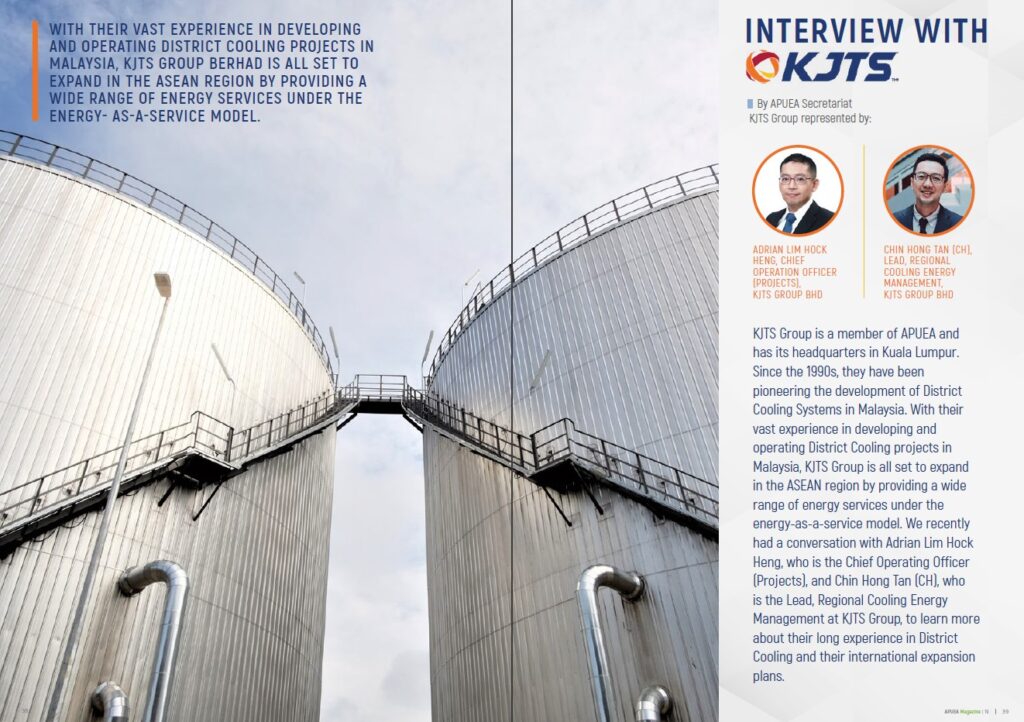
KJTS Group spoke with the Asia Pacific Urban Energy Association (APUEA) to discuss our role in the regional energy transition. Adrian Lim Hock Heng (Chief Operating Officer – Projects) and Chin Hong Tan (Lead, Regional Cooling Energy Management) provided insights into our forty-year history and our expansion across Southeast Asia.
Pioneering Energy-as-a-Service (EaaS)
We are shifting the industry standard by offering Energy-as-a-Service. Unlike traditional models, EaaS allows building owners to access efficient cooling with zero capital expenditure (CAPEX). KJTS Group invests in the cooling plant, manages construction, and handles long-term operations. Customers pay a fixed tariff for the chilled water they consume. This model transfers technical and financial risks to us, ensuring the cooling system performs at peak efficiency throughout its lifecycle.
Regional Growth and the Thai Market
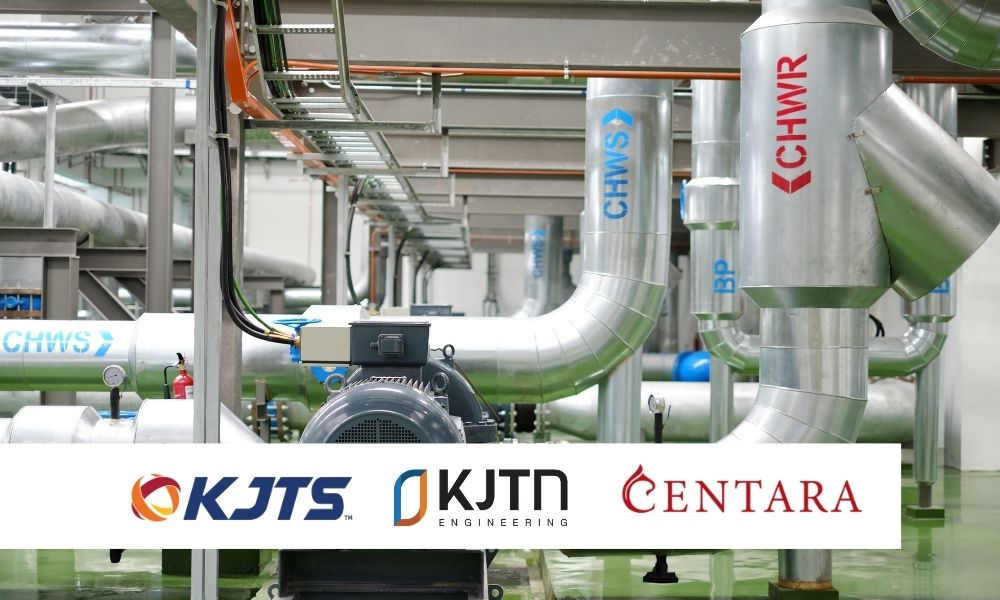
While Malaysia remains a leader in district cooling with over 30 operational projects, we are rapidly expanding our footprint. A key milestone is our recent agreement with the Centara Grand Hotel at Central World, Bangkok.
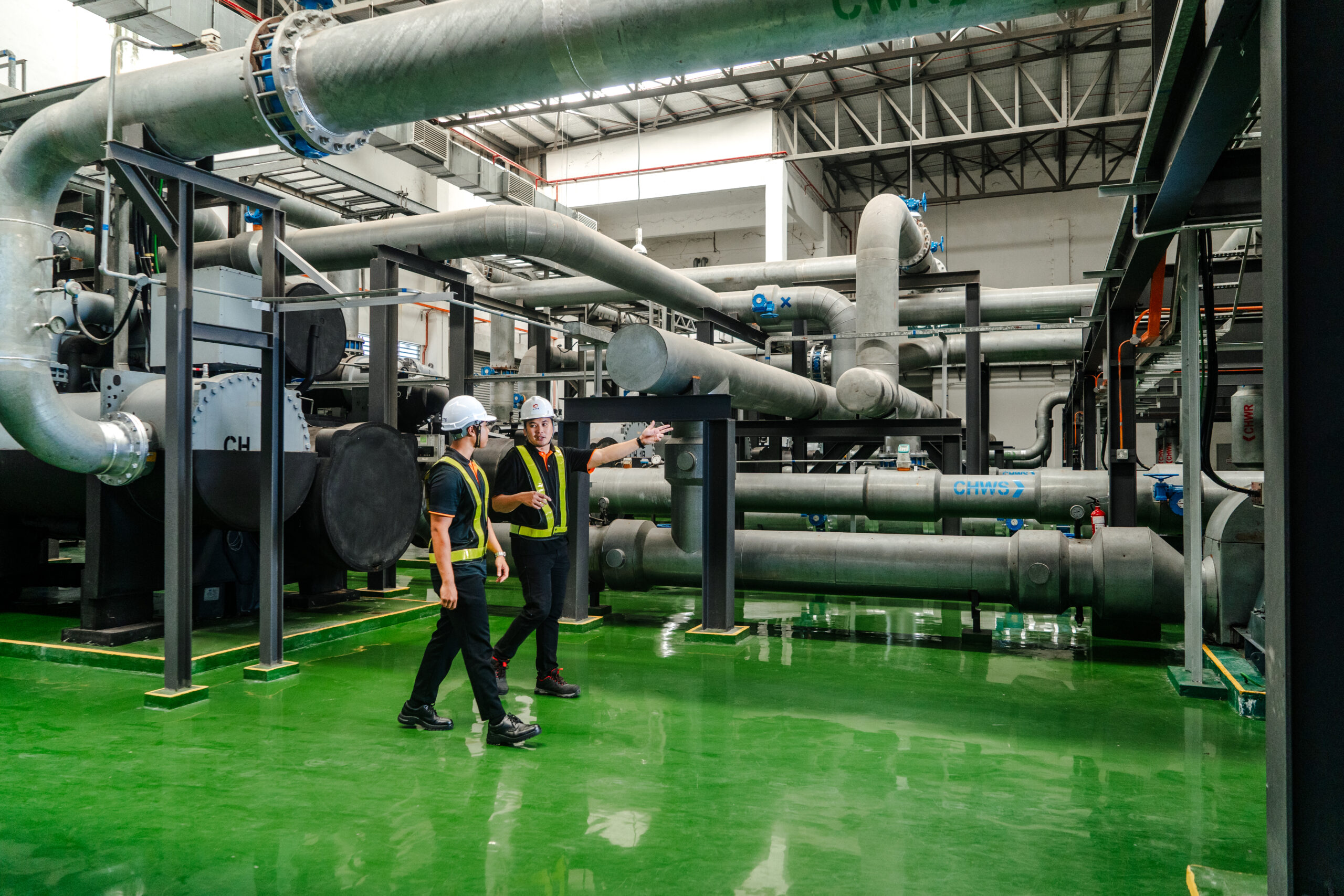
This project involves retrofitting the existing HVAC system, followed by a 15-year Operations and Maintenance (O&M) contract. By integrating IoT and AI into the District Cooling System (DCS), we ensure continuous improvement in energy performance. This partnership strengthens our position in Thailand and demonstrates the scalability of our cooling solutions for brownfield developments.
Why District Cooling Matters
District cooling systems leverage economies of scale. By centralising cooling for a township or a cluster of buildings (such as malls, hotels, and offices), we reduce peak capacity requirements by 30 to 40 percent. This setup results in:
- Lower mechanical and electrical costs for building owners.
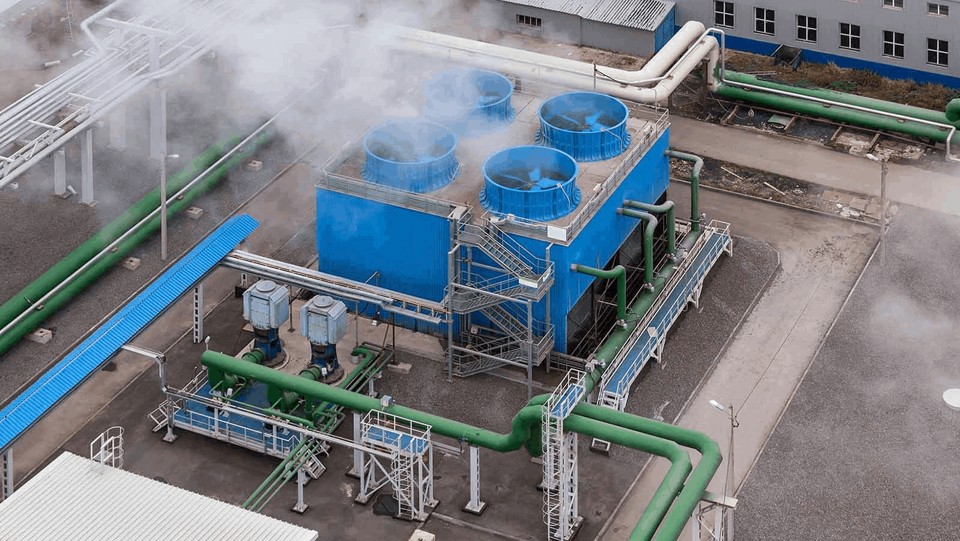
- Reduced carbon footprints through thermal energy storage.
- Space savings in premium urban areas.
Overcoming Industry Barriers
Despite the clear benefits, challenges such as a lack of governance and historical technical failures persist. We advocate for stronger regulation of chilled water supply to protect stakeholders and maintain high service standards. Our commitment to 100 percent investment in certain projects serves as a proof of concept, giving end-users confidence that sustainable energy management is both viable and profitable.
To read the full interview and learn more about our engineering-focused approach to facilities management and cooling energy, click here or visit the APUEA website.