





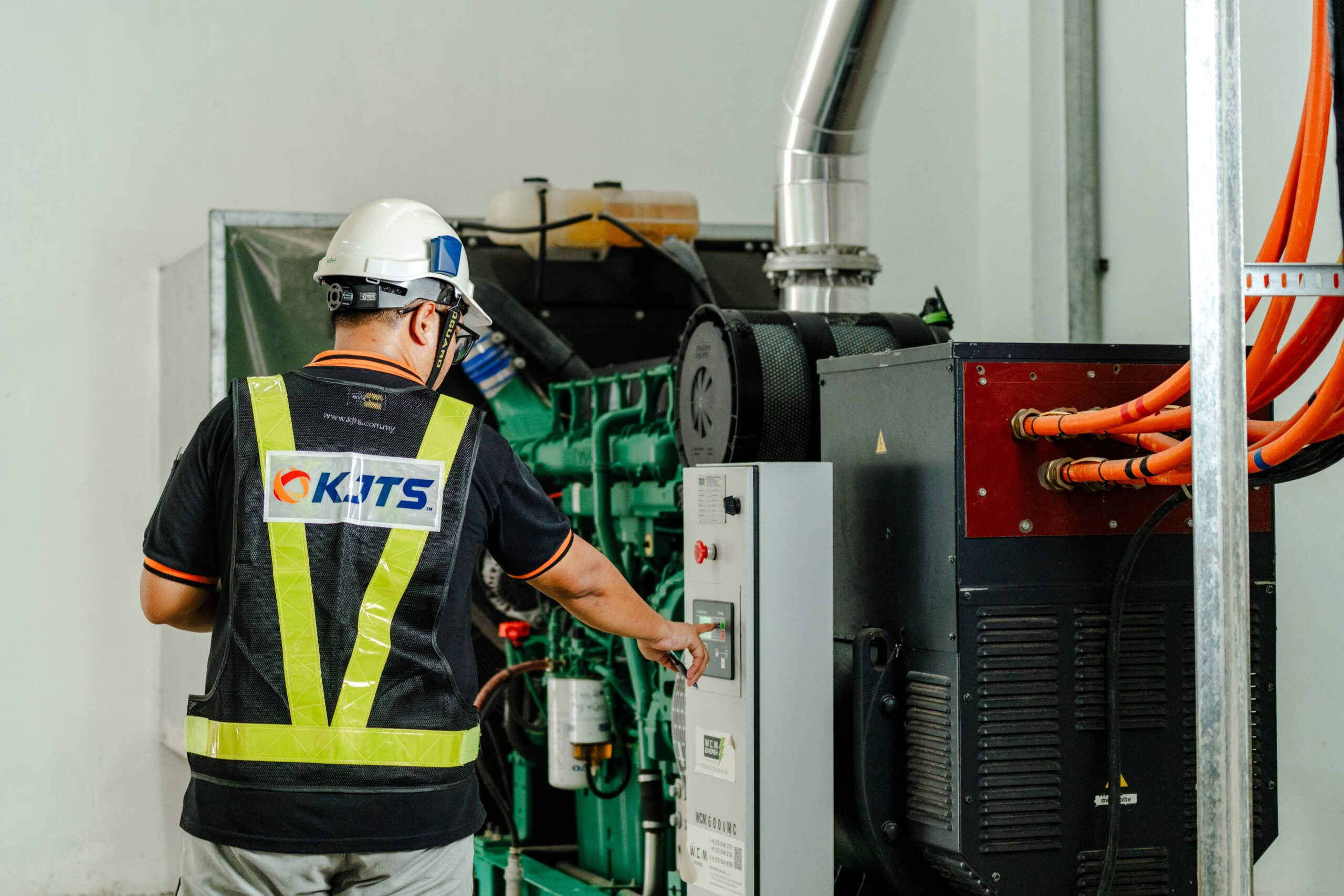
The scope of facilities management (FM) has grown considerably. Where the role once centred on reactive maintenance and vendor coordination, today’s facilities manager is expected to handle space planning, occupant experience, data reporting, sustainability targets, and more, often with the same headcount.
Technology will not replace good judgement, but it does remove a lot of the friction that slows teams down. These three areas offer the clearest returns.
1. Communication with Occupants and Vendors
Poor communication is one of the most common sources of delay and frustration in facilities management. Requests get lost. Vendors do not receive timely updates. Tenants chase progress they cannot see. The right software addresses all of this in one place.
Two categories of tools are particularly useful here.
Maintenance management software tracks historical maintenance data, flags upcoming scheduled tasks, and keeps vendor records in one accessible location. This removes the dependency on individual team members holding critical information in their heads or personal inboxes.
Work order management software handles inbound requests, tracks status, sets priority levels, and automates communication to tenants about progress. It also assists with scheduling and dispatch across staff, and supports billing management where needed.
The combined effect is fewer manual steps, fewer miscommunications, and a centralised reference that lets the whole team make faster, better-informed decisions.
2. Space Utilisation Monitoring
Underused space costs money. Overcrowded space creates complaints. Both problems are common, and both are easier to address when you have accurate, real-time data.
Integrating surveillance cameras with video analytics software allows facilities managers to see exactly how space is being used throughout the day. Empty rooms, high-traffic bottlenecks, underused floors, and recurring congestion points all become visible without needing occupants to report them.
This data enables practical decisions. A conference room that has been informally repurposed as storage for months might be better converted permanently. A floor where occupants consistently feel squeezed might benefit from off-site storage to free up working area. Facilities managers can act on what is actually happening, not what they assume is happening.
Technology also catches problems that occupants do not notice or think to report. Desk fans running constantly may indicate that the cooling system is underperforming. Lights left on in empty rooms point to a need for occupancy sensors. These are small inefficiencies individually, but across a large building, they add up quickly.
3. Occupant Comfort and Building System Efficiency
A commercial facility typically runs multiple independent systems: HVAC, lighting, fire safety, access control, and more. Each has its own schedule, its own maintenance requirements, and historically its own team managing it in isolation.
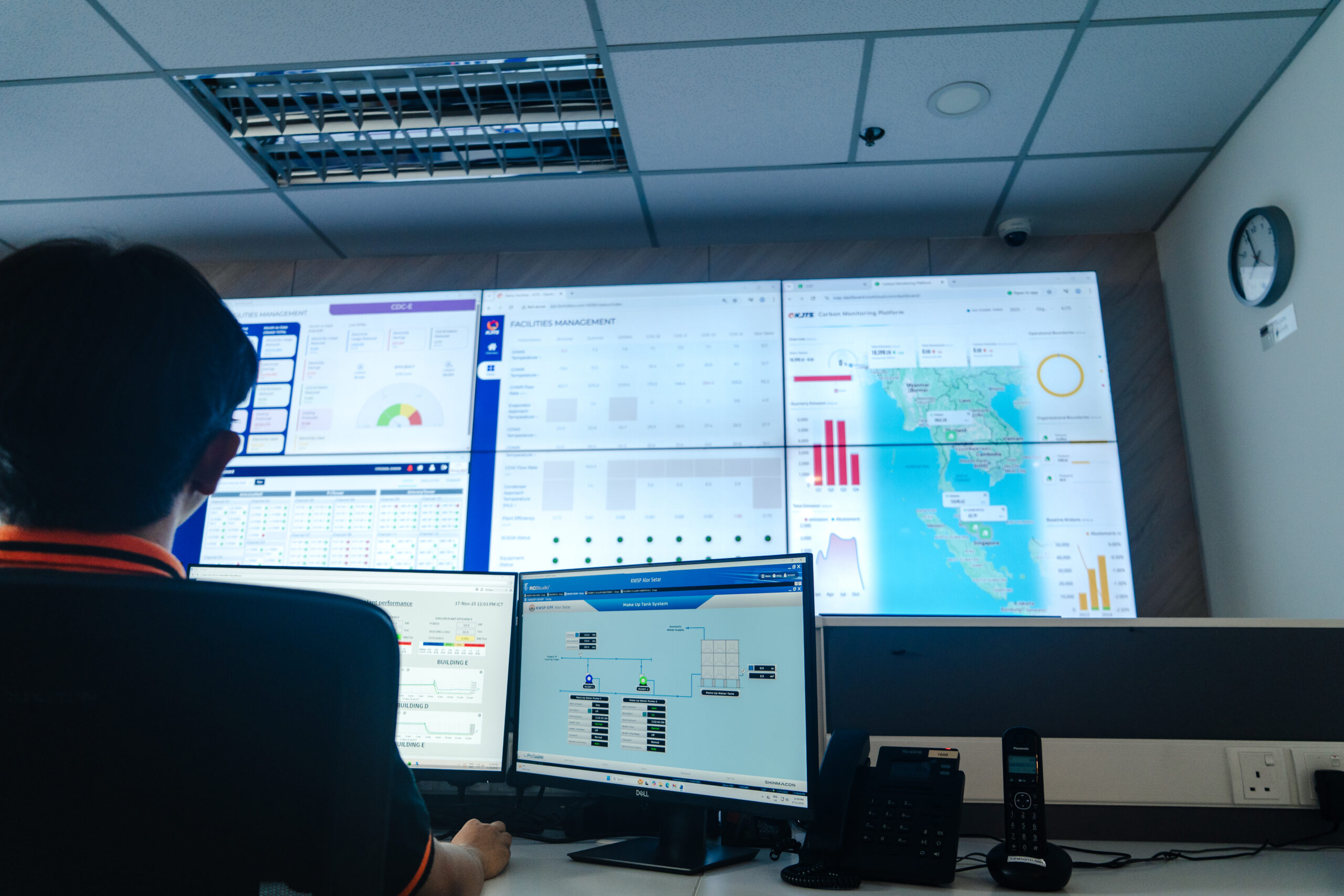
Wireless connectivity and IoT sensors are changing that. When building systems share data across a common network, they can make automatic adjustments based on real-time environmental signals, occupancy patterns, and usage data. The building responds to what is actually happening rather than following a fixed schedule set months ago.
This capability depends on the equipment’s age and the strength of the network infrastructure. Many current systems, including phone systems, access control, and surveillance, already support IP connectivity. The integration path for older buildings is more involved but the direction of travel is clear. Smart building management is no longer a future concept in Malaysia; it is now being adopted across commercial, industrial, and mixed-use developments.
Closing Note
Our integrated facilities management services are built around this shift, helping building owners and property managers move from reactive operations to data-driven, proactive management.
Facilities managers cannot afford to manage every task manually at scale. The good news is that they do not have to. The technology to streamline communication, monitor space, and connect building systems is available and proven. The priority is identifying which tasks consume the most time and resources, then finding the right tool to reduce that load.
Check out our FM case studies.
Frequently Asked Questions (FAQs)
- What technology do facilities managers use to track maintenance?
Computerised maintenance management systems (CMMS) are the standard tool. They log historical data, schedule preventive maintenance, manage vendor records, and generate reports. Cloud-based platforms allow access across multiple sites and teams. - How does IoT improve facilities management?
IoT sensors monitor environmental conditions such as temperature, occupancy, air quality, and energy usage in real time. This data feeds into building management systems that can trigger automatic adjustments or alert the FM team to anomalies before they become faults. - What is space utilisation monitoring in facilities management?
It is the practice of tracking how physical space in a building is actually being used, using tools such as cameras, RFID, and software analytics. The data helps facilities managers optimise layouts, reduce wasted space, and make evidence-based decisions about reconfiguration or expansion. - Is smart building technology suitable for older buildings in Malaysia?
Yes, in most cases. Many retrofits are possible without full system replacement. The right approach depends on existing infrastructure, budget, and operational priorities. A facilities management consultant can assess what is practical for a specific building.