





Cooling is one of the biggest energy expenses in any large commercial building. In tropical climates like Malaysia and Southeast Asia, it can account for 40 to 60 percent of total electricity consumption. That is not a small line item. It is a strategic issue that affects operating costs, asset value, and sustainability targets.
The good news is that cooling energy waste is largely preventable. Most large buildings are over-cooling spaces, running equipment at inefficient load points, or simply missing the data they need to make smarter decisions. This article covers the most effective approaches to reduce cooling energy costs without compromising occupant comfort.
Start with an Energy Audit
Before making any changes, understand where the energy is going. A proper energy audit maps out your cooling system load profile, identifies inefficiencies in chiller plant operation, and benchmarks your Energy Use Intensity (EUI) against industry standards.
Many building owners skip this step. They invest in new equipment first, then wonder why the savings do not materialise. An audit gives you a baseline and tells you which interventions will deliver the best return.
Look for a certified energy auditor or engage a facilities management partner with HVAC expertise. The audit cost is typically recovered within the first year of implemented savings.
Optimise Your Chiller Plant
The chiller plant is the heart of your cooling system, and it is where most efficiency gains are found. Here are the key areas to focus on.
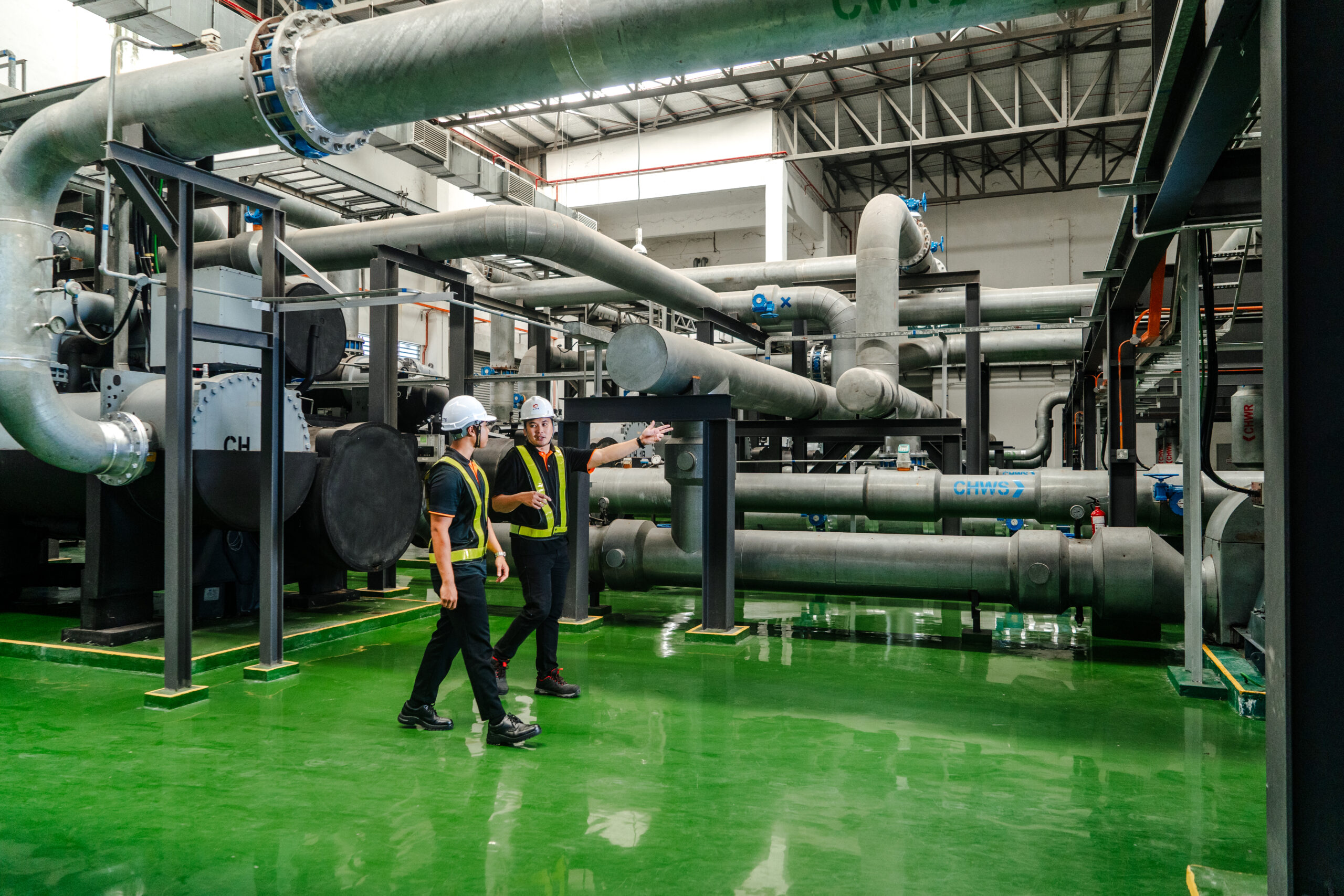
Chiller sequencing. Running one chiller at 80 percent load is almost always more efficient than running two chillers at 40 percent each. Review your sequencing logic and ensure chillers stage on and off based on actual load demand, not fixed time schedules.
Variable speed drives (VSDs). Fitting VSDs to chiller compressors, cooling tower fans, and condenser water pumps allows equipment to match actual load conditions rather than running flat out regardless of demand. The energy savings from VSDs are significant, often 20 to 40 percent on pump and fan energy alone.
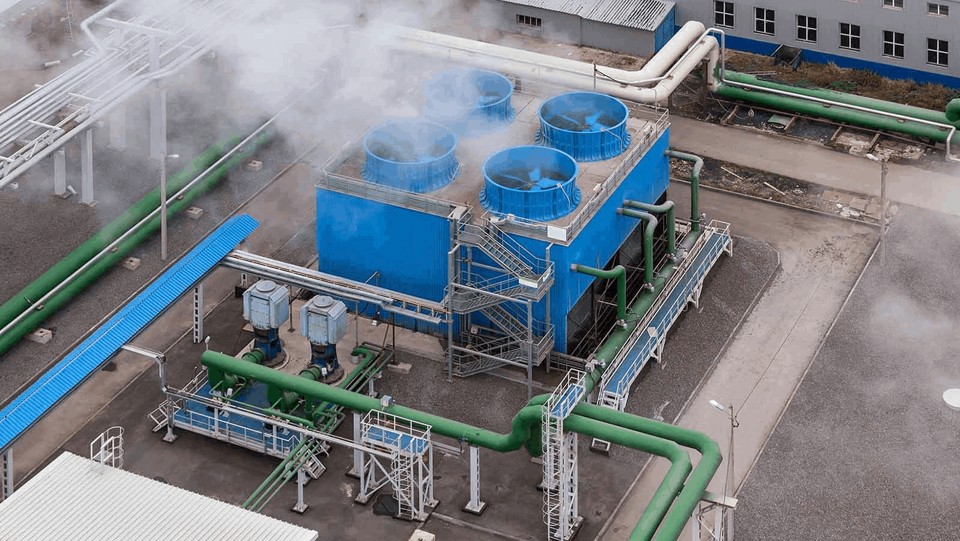
Condenser water temperature. Lowering condenser water temperature improves chiller coefficient of performance (COP). Where outdoor wet bulb conditions allow, optimising cooling tower setpoints can meaningfully reduce chiller energy consumption.
Chiller plant automation. A well-configured chiller plant control system continuously calculates the most efficient combination of equipment to meet current demand. This is sometimes called plant-wide optimisation or chiller sequencing software. Buildings with automated chiller plants consistently outperform those relying on manual operator decisions.
Upgrade Your Building Management System
A Building Management System (BMS) is only as useful as its configuration and the people managing it. Many large buildings have a BMS that was commissioned years ago and has never been properly tuned since.
Common BMS issues that drive up cooling costs include fixed supply air temperature setpoints that do not adjust to actual load, overcooling in zones with low occupancy, and sensors that have drifted out of calibration.
Modern BMS platforms support demand-controlled ventilation, occupancy-based setpoint adjustment, and integration with weather forecast data to pre-cool buildings during off-peak tariff periods. If your BMS is more than ten years old, a retro-commissioning exercise or system upgrade is worth evaluating.
Address the Building Envelope
Air conditioning a building with a poorly insulated envelope is like cooling a room with the windows open. Heat gain through walls, roofs, and glazing directly increases cooling load.
Practical envelope improvements for large buildings include:
High-performance glazing. Retrofit double-glazed or low-emissivity (low-E) glass on facades with high solar exposure. This reduces solar heat gain without compromising natural light.
Roof insulation. Roofs absorb significant solar radiation in tropical climates. Reflective roof coatings or additional insulation layers can reduce roof heat gain by 30 to 50 percent.
Air sealing. Uncontrolled air infiltration, particularly around loading bays, stairwells, and poorly maintained door seals, allows hot humid air to enter the building and increases latent cooling load.
Envelope improvements have long payback periods compared to mechanical upgrades, but they permanently reduce peak cooling demand and extend the life of HVAC equipment by reducing operating hours.
Consider District Cooling
For large commercial developments, integrated campuses, or high-density urban districts, district cooling is one of the most cost-effective ways to reduce cooling energy consumption at scale.
District cooling systems centralise chiller plant operations in a dedicated cooling plant, then distribute chilled water to multiple buildings through an insulated pipe network. The economies of scale from a large central plant, combined with diversity in cooling demand across multiple buildings, allow district cooling systems to achieve system efficiency levels that individual building plants cannot match.
Beyond energy efficiency, district cooling removes the need for each building to maintain its own chiller plant, freeing up roof space, reducing maintenance responsibilities, and providing greater reliability through redundancy.
In Malaysia, district cooling is being adopted in major development zones and industrial parks as part of broader energy transition strategies. Buildings connected to district cooling networks typically see electricity consumption for cooling fall significantly compared to conventional decentralised systems.
Monitor and Manage Energy in Real Time
You cannot manage what you do not measure. Real-time energy monitoring at the sub-meter level, covering chiller plant, air handling units, fan coil units, and lighting, gives building operators the data to identify waste quickly and act on it.
Energy monitoring platforms can flag anomalies, such as a chiller running outside its normal operating range, or a zone that is consuming double its usual energy without explanation. Without this visibility, problems go undetected for months and energy waste accumulates quietly.
Pair monitoring data with a regular energy review process. Monthly reviews of consumption trends, comparing actual against targets, create accountability and drive continuous improvement.
Review Your Energy Tariff Structure
This is often overlooked. Large commercial buildings in Malaysia are typically billed under medium voltage tariffs that include a demand charge component based on peak consumption within the billing period. Reducing your peak demand, not just your total consumption, can deliver meaningful cost savings.
Load shifting strategies, such as pre-cooling the building during off-peak periods or using thermal energy storage, can reduce peak demand charges. Review your tariff structure with your energy manager or a qualified energy consultant to understand where you have room to optimise.
Putting It Together
Cutting cooling energy costs in a large building is not a one-time project. It is an ongoing process that combines the right technology, smart operations, and continuous monitoring.
The buildings that perform best over time treat energy efficiency as a core operational discipline, not a side project. They audit regularly, invest in the right systems, train their people, and use data to drive decisions.
For building owners and facilities managers navigating Malaysia’s energy transition and rising electricity tariffs, the organisations that act now will be better positioned, financially and reputationally, as sustainability requirements continue to tighten.
The savings are there. Most large buildings are leaving a significant amount of energy and money on the table. The question is whether you have the systems and the discipline to capture them.