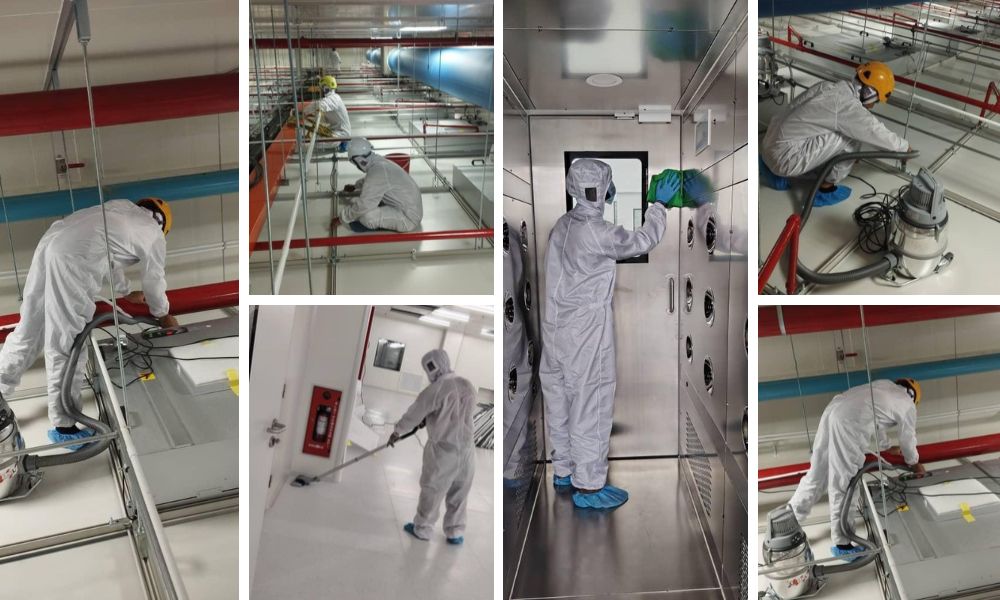







Facilities management (FM) involves more than maintaining buildings and keeping operations running. It requires the coordination of people, equipment, maintenance schedules, cleaning services and operational resources. For many organisations, these responsibilities are divided among several service providers. While this approach may offer flexibility, managing multiple vendors can introduce hidden costs, administrative complexity and operational challenges that affect overall performance.
An integrated facilities management approach offers an alternative. By consolidating multiple services under one provider, organisations can simplify coordination, improve operational visibility and manage resources more effectively. For building owners, procurement teams and facilities managers, the real value lies not only in the service fees, but also in the total cost of managing building operations.
The Hidden Costs of Managing Multiple FM Vendors
Working with separate contractors for engineering maintenance, cleaning and other building services can create additional administrative work. Each vendor may have its own reporting process, service level agreement, escalation procedure and performance indicators. Procurement teams must manage separate contracts, invoices, renewals and performance reviews.
These activities consume time and internal resources. When responsibilities overlap or service boundaries are unclear, issues can take longer to resolve. For example, a building maintenance problem may affect cleaning operations or occupant comfort, yet different contractors may need to coordinate before corrective action can begin.
The cost is not always reflected in individual service contracts. Management time, duplicated processes, inconsistent reporting and delays in resolving operational issues can all contribute to the total cost of managing facilities.
The Challenge of Fragmented Operations
When multiple vendors operate independently, each provider may focus primarily on its own contractual responsibilities. This can make it difficult to establish a complete picture of building performance.
For example, an increase in energy consumption may be linked to equipment performance, maintenance practices or operating schedules. If engineering maintenance and energy monitoring are managed separately, identifying the underlying cause may require additional coordination.
Fragmented operations can also affect service consistency. Different vendors may use different reporting formats, maintenance procedures and performance measurements. Without a coordinated management framework, facilities teams may spend more time consolidating information and resolving issues than improving building performance.
How Integrated Facilities Management Improves Coordination
Integrated facilities management brings multiple building support services under a coordinated management structure. Depending on the agreed scope, this may include engineering maintenance, cleaning, energy management and other operational services.
With a single point of coordination, building owners and facilities managers have a clearer channel for communication, issue escalation and performance reporting. Responsibilities can be defined more consistently, while service delivery can be managed against agreed performance indicators.
An integrated approach also supports better planning across different functions. Maintenance schedules can be coordinated with building occupancy and cleaning activities. Operational issues affecting several services can be addressed through a shared process rather than separate vendor arrangements.
This does not mean that every task must be delivered by the same team. Specialist subcontractors may still be required. The key difference is having one provider responsible for coordinating the agreed services and managing the overall delivery framework.
Improving Cost Control and Operational Efficiency
One of the main advantages of integrated FM is the opportunity to manage costs across the wider operation rather than evaluating each service in isolation.
Consolidated reporting can help organisations identify recurring issues, duplicated activities and opportunities to improve resource allocation. Coordinated maintenance can support better equipment planning, while consistent performance monitoring provides a clearer basis for evaluating service quality.
An integrated provider may also be able to streamline procurement, contract administration and reporting. However, the financial benefit depends on the building’s requirements, the scope of services, contract terms and the provider’s delivery capabilities.
For procurement teams, comparing FM proposals should therefore involve more than reviewing the quoted contract price. Internal administration, service coordination, reporting requirements and operational disruption should also be considered when assessing the total cost of service delivery.
Connecting Facilities Management with Energy Efficiency
Energy performance is another important consideration. Building systems such as chillers, pumps, air conditioning and lighting require effective operation and maintenance to perform efficiently.
When engineering services and energy management are coordinated, facilities teams can better connect equipment performance with energy consumption. Monitoring data can help identify unusual usage patterns, while maintenance findings can inform operational improvements.
For buildings with substantial cooling demand, this coordination can be particularly valuable. Chiller plant performance, operating schedules and maintenance activities can be reviewed together to identify opportunities for optimisation.
Integrating energy management into facilities operations can also support sustainability objectives. Organisations can track energy performance more consistently, assess improvement opportunities and use operational data to inform environmental reporting.
Choosing the Right Integrated FM Partner
Consolidating services under one provider is not automatically the best option for every organisation. The right approach depends on building complexity, operational requirements, existing contracts and the level of control required by the client.
When evaluating an integrated FM partner, organisations should consider several factors.
- Service capability. Can the provider manage the required engineering, maintenance and cleaning services?
- Technical expertise. Does the provider understand the building’s systems, operational risks and energy requirements?
- Performance measurement. Can the provider report against clearly defined service levels and key performance indicators?
- Technology and reporting. Does the provider offer useful operational data and transparent performance reporting?
- Scalability. Can the service model accommodate changes in occupancy, building requirements or portfolio size?
- Governance and accountability. Are responsibilities, escalation procedures and performance expectations clearly defined?
A strong integrated partner should demonstrate how its operating model supports service quality, cost control and long-term asset performance. The objective is not simply to reduce the number of vendors, but to improve how building services work together.
Looking Beyond the Contract Price
The true cost of facilities management extends beyond the fees paid to individual contractors. It includes the resources required to coordinate services, manage performance, resolve issues and maintain building operations.
An integrated FM model can simplify these responsibilities by bringing services together under a coordinated framework. When supported by technical expertise, effective reporting and clear accountability, this approach can help organisations improve operational efficiency and gain better visibility of their facilities costs.
For building owners and procurement teams, the decision should ultimately be based on total cost, service performance and long term value. Choosing the right integrated partner can provide a more coordinated approach to facilities management while supporting the building’s operational and sustainability objectives.